
Introduction: How 2026 Is Redefining the Automotive Landscape
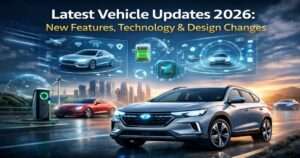
The year 2026 marks a significant turning point in the global automotive industry, with vehicle manufacturers focusing more than ever on intelligent technology, sustainable engineering, and driver-centric design.
Unlike earlier years where updates were often limited to cosmetic changes or minor feature additions, the latest vehicle updates in 2026 reflect a deeper transformation in how vehicles are built, operated, and experienced. Automakers are responding to evolving consumer expectations, stricter emission regulations, and rapid advancements in digital innovation.
Table of Contents
As a result, modern vehicles are no longer just machines for transportation—they are becoming connected mobility platforms designed to deliver comfort, safety, efficiency, and personalization. From software-driven performance upgrades to futuristic interiors and aerodynamic exterior styling, every aspect of vehicles has seen meaningful progress.
These changes are not limited to premium segments; mass-market cars, two-wheelers, and commercial vehicles are also benefiting from advanced technologies that were once considered exclusive. Understanding these latest vehicle updates helps buyers make informed decisions and allows enthusiasts to appreciate the direction in which the industry is moving.
In this article, we explore the most important new features, technological innovations, and design changes shaping vehicles in 2026.
Key highlights of 2026 vehicle updates include:
- Greater emphasis on smart and connected vehicle systems
- Increased adoption of eco-friendly materials and powertrains
- Improved safety, efficiency, and user experience across segments
Advanced Vehicle Technology Updates in 2026
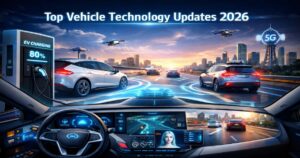
One of the most impactful vehicle updates in 2026 is the rapid integration of advanced automotive technology aimed at enhancing safety, convenience, and overall driving experience. Vehicles are increasingly equipped with intelligent systems that use sensors, cameras, and real-time data processing to assist drivers in both urban and highway environments.
These technologies are no longer viewed as optional add-ons; instead, they are becoming standard expectations for modern vehicles. Enhanced driver-assistance systems now provide smoother lane control, adaptive speed regulation, and better hazard detection, making driving safer and less stressful.
Additionally, vehicle software has evolved to support over-the-air updates, allowing manufacturers to improve performance, fix issues, and introduce new features without requiring physical service visits. Digital instrument clusters and infotainment systems have also matured, offering faster interfaces, better voice recognition, and seamless smartphone integration. Cybersecurity has become a major focus as well, ensuring that connected vehicles remain protected against digital threats.
These technology updates reflect a broader shift toward software-defined vehicles, where digital intelligence plays a central role in vehicle functionality.
Major technology updates seen in 2026 vehicles include:
- Advanced driver-assistance systems with improved accuracy
- Over-the-air software updates for continuous improvements
- AI-powered infotainment and voice control systems
- Enhanced vehicle cybersecurity and data protection
New Safety Features Transforming Modern Vehicles
Safety remains a top priority in the latest vehicle updates of 2026, with manufacturers introducing smarter and more proactive safety features than ever before. Rather than relying solely on passive safety components, modern vehicles are now designed to anticipate risks and actively assist drivers in avoiding accidents.
Improved sensor fusion technology allows vehicles to better interpret their surroundings by combining data from cameras, radar, and ultrasonic sensors. This leads to quicker response times and more reliable safety interventions. In addition, structural improvements and the use of high-strength materials have enhanced crash protection while maintaining lightweight designs. Pedestrian and cyclist safety has also received increased attention, especially in urban environments where traffic density continues to rise.
Driver monitoring systems are becoming more sophisticated, capable of detecting fatigue, distraction, and even medical emergencies. These systems provide timely alerts or corrective actions to prevent dangerous situations.
Overall, safety updates in 2026 vehicles are focused on creating a protective ecosystem that supports both drivers and other road users.
Key safety feature updates in 2026 vehicles include:
- Enhanced collision avoidance and emergency braking systems
- Improved pedestrian and cyclist detection technologies
- Driver monitoring systems for fatigue and distraction detection
- Stronger yet lighter vehicle body structures
Design Changes Shaping Vehicles in 2026
Vehicle design in 2026 reflects a careful balance between aesthetics, aerodynamics, and functionality. Manufacturers are moving away from overly aggressive styling and instead embracing clean, futuristic design language that emphasizes efficiency and elegance.
Exterior updates focus on smoother body lines, optimized airflow, and innovative lighting elements that improve visibility while enhancing visual appeal. Slim LED and adaptive lighting systems are becoming more common, offering both functional benefits and a distinctive identity for vehicles. Inside the cabin, design changes prioritize comfort, space optimization, and digital integration.
Physical buttons are gradually being replaced by intuitive touch controls and minimalist dashboards, creating a more refined driving environment. Sustainable materials such as recycled plastics, vegan leather alternatives, and natural fibers are increasingly used in interiors, reflecting growing environmental awareness among consumers.
These design changes are not just about appearance—they directly contribute to improved efficiency, reduced noise, and a more enjoyable driving experience.
Notable design updates in 2026 vehicles include:
- Aerodynamic exterior styling for better efficiency
- Advanced lighting systems with adaptive functionality
- Minimalist, tech-focused interior layouts
- Increased use of sustainable and eco-friendly materials
Powertrain and Performance Updates in 2026
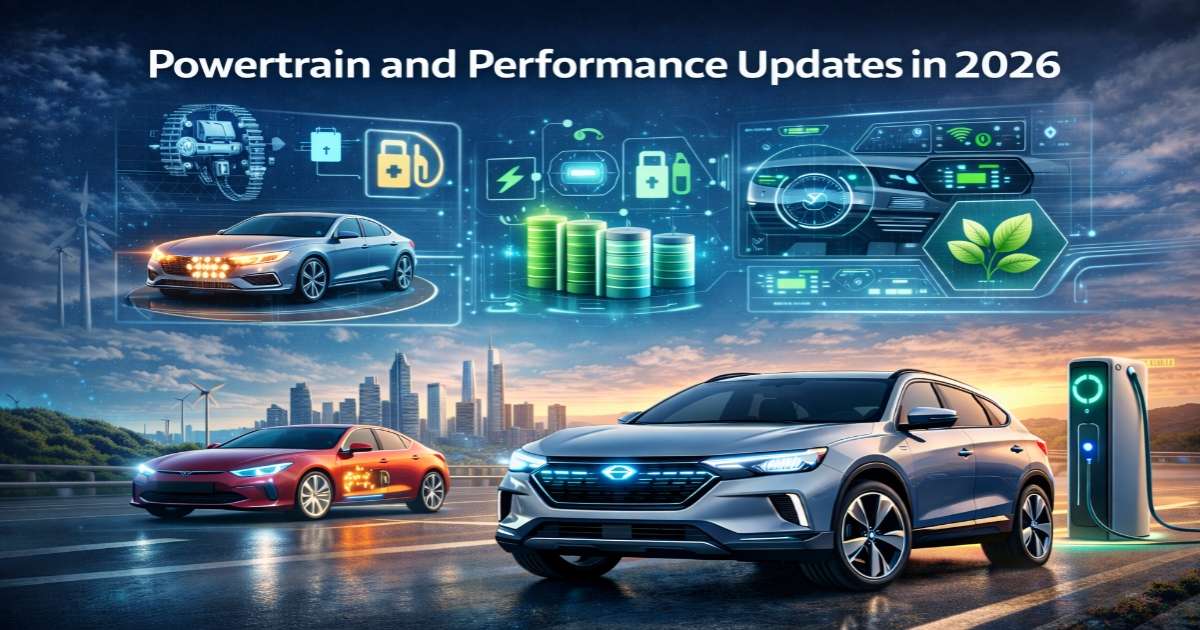
Powertrain technology has undergone major refinement in the latest vehicle updates of 2026, with a strong focus on efficiency, reliability, and environmental responsibility.
Traditional internal combustion engines have been optimized to deliver better fuel economy and lower emissions, while hybrid and electric powertrains continue to gain traction across all vehicle categories.
Engineers are leveraging lightweight materials, improved thermal management, and smarter engine control systems to extract maximum performance with minimal environmental impact. Transmission systems have also evolved, offering smoother gear shifts and better power delivery. Electric vehicles benefit from improved battery efficiency, faster charging capabilities, and extended driving range, addressing many concerns previously associated with EV adoption.
These powertrain updates ensure that vehicles in 2026 are not only more powerful but also more adaptable to different driving needs and regulatory requirements.
Powertrain improvements in 2026 vehicles include:
- Enhanced fuel efficiency in combustion engines
- Wider adoption of hybrid and electric systems
- Smoother and more responsive transmission technologies
- Improved battery performance and charging efficiency
Final Verdict: What the Latest Vehicle Updates Mean for Buyers
The latest vehicle updates in 2026 demonstrate a clear shift toward smarter, safer, and more sustainable mobility solutions. With advancements spanning technology, safety, design, and performance, modern vehicles are better equipped to meet the demands of today’s drivers and tomorrow’s challenges.
These updates provide buyers with greater value, improved ownership experience, and enhanced peace of mind. Whether you are an everyday commuter, a technology enthusiast, or an environmentally conscious consumer, the vehicles of 2026 offer something for everyone.
Staying informed about these changes allows buyers to choose vehicles that align with their priorities and long-term needs. As the automotive industry continues to evolve, one thing is certain: vehicle updates in 2026 are setting the foundation for a more intelligent and connected future of transportation.
Frequently Asked Questions (FAQS)
Q.1: What are the most important vehicle updates introduced in 2026?
The most important vehicle updates in 2026 focus on smarter technology, improved safety systems, and more efficient designs. Unlike previous years, updates are no longer limited to cosmetic changes or mileage improvements. Automakers are now prioritizing connected features, intelligent driver assistance, and eco-conscious engineering across almost all segments. Vehicles launched or updated in 2026 feature advanced infotainment systems, over-the-air software updates, and improved vehicle-to-device connectivity. Safety technologies have also evolved, with better collision detection, driver monitoring systems, and enhanced structural strength. Design updates emphasize aerodynamics, comfort, and sustainability, using lightweight materials and cleaner styling. Powertrain improvements include more refined petrol and diesel engines, increased hybrid adoption, and better-performing electric vehicles with longer range. These updates collectively aim to make vehicles safer, more comfortable, more efficient, and future-ready.
Q.2: How is vehicle technology improving in 2026 compared to previous years?
Vehicle technology in 2026 has advanced significantly compared to earlier years, mainly due to the growing role of software and artificial intelligence. Modern vehicles now function more like smart devices, offering real-time updates, personalized settings, and advanced digital interfaces. Over-the-air updates allow manufacturers to improve features without requiring physical service visits, which was rare in older vehicles. Infotainment systems are faster, more responsive, and better integrated with smartphones, voice assistants, and navigation services. Driver-assistance technologies have become more accurate and reliable, providing smoother lane control, adaptive cruise functions, and better traffic awareness. Additionally, cybersecurity has become a core focus, ensuring that connected vehicles remain protected from digital threats. These improvements make vehicles more intuitive, safer to operate, and easier to maintain over time.
Q.3: Are 2026 vehicles safer than older models?
Yes, vehicles updated or launched in 2026 are significantly safer than older models due to major improvements in both active and passive safety systems. Modern vehicles are designed to prevent accidents rather than just protect occupants after a collision. Advanced sensors and cameras continuously monitor the surroundings, helping detect potential hazards earlier. Emergency braking systems, lane-keeping assistance, and blind-spot monitoring have become more refined and responsive. Structural safety has also improved through the use of high-strength steel and reinforced crash zones that absorb impact more effectively. Driver monitoring systems can now detect fatigue or distraction and alert the driver before a dangerous situation arises. Pedestrian and cyclist protection technologies have also improved, especially in urban driving conditions.
Q.4: What design changes are trending in vehicles in 2026?
Vehicle design trends in 2026 focus on simplicity, efficiency, and functionality. Exterior styling has become more aerodynamic, with smoother body lines and reduced visual clutter. This not only enhances visual appeal but also improves fuel efficiency and driving stability. Lighting design has evolved with slimmer LED headlamps, adaptive lighting systems, and distinctive daytime running lights. Inside the cabin, manufacturers are adopting minimalist layouts that reduce physical buttons and emphasize digital displays. Comfort and space optimization are key priorities, especially for long-distance driving. Sustainable materials are increasingly used in interiors, reflecting growing environmental awareness among buyers. These design changes create a cleaner, more modern driving environment while improving usability and efficiency.
Q.5: How are powertrain and engine technologies evolving in 2026?
Powertrain and engine technologies in 2026 are evolving to balance performance, efficiency, and environmental responsibility. Traditional petrol and diesel engines have been refined to deliver better mileage and lower emissions through improved combustion and engine management systems. Hybrid technology is becoming more common, offering improved fuel efficiency without sacrificing driving convenience. Electric vehicles have seen major improvements in battery efficiency, charging speed, and overall range, making them more practical for everyday use. Transmission systems are smoother and smarter, enhancing driving comfort and responsiveness. These advancements ensure that vehicles in 2026 can meet stricter emission standards while still delivering strong performance and reliability.