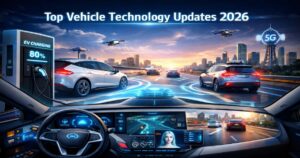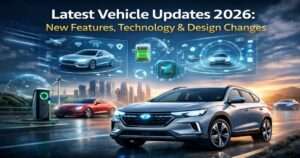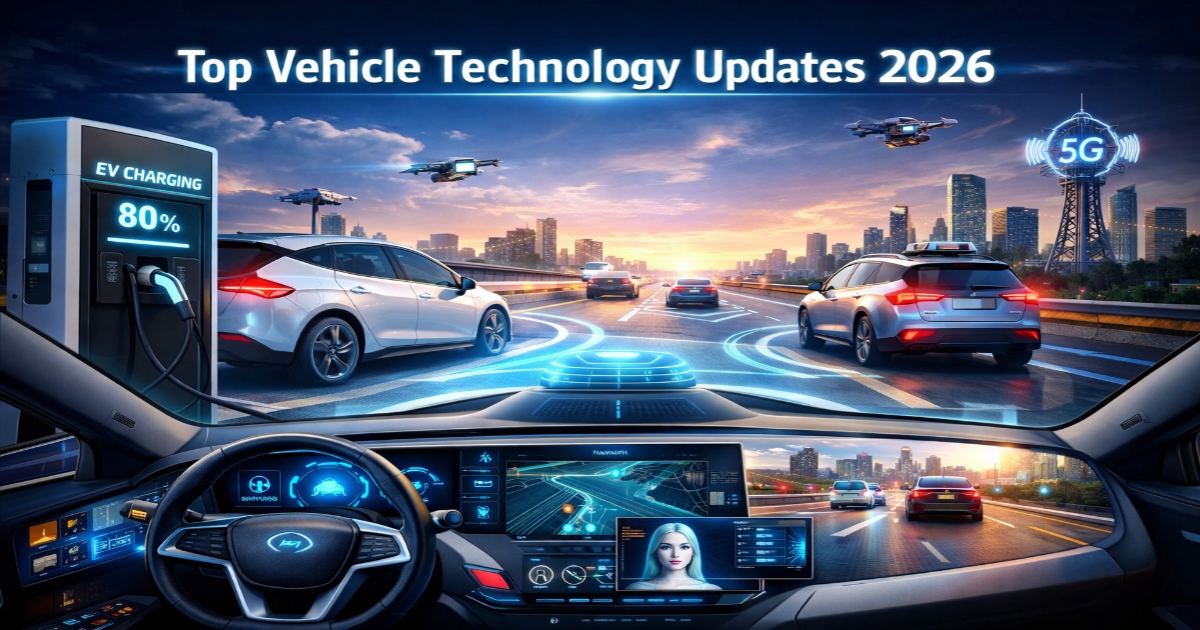

The automotive industry is evolving faster than ever, and Vehicle Technology Updates in 2026 are redefining how we drive, commute, and interact with our cars.
From AI-powered safety systems to fully immersive infotainment dashboards, the modern vehicle is no longer just a machine with wheels — it’s a smart mobility ecosystem. If you are planning to buy a car this year, understanding the latest advancements can help you make a future-proof investment.
Table of Contents
This comprehensive guide explores the most important innovations shaping the automotive world in 2026, ensuring you know exactly what to look for before signing the deal.
1. Advanced AI-Powered Driver Assistance Systems (ADAS)
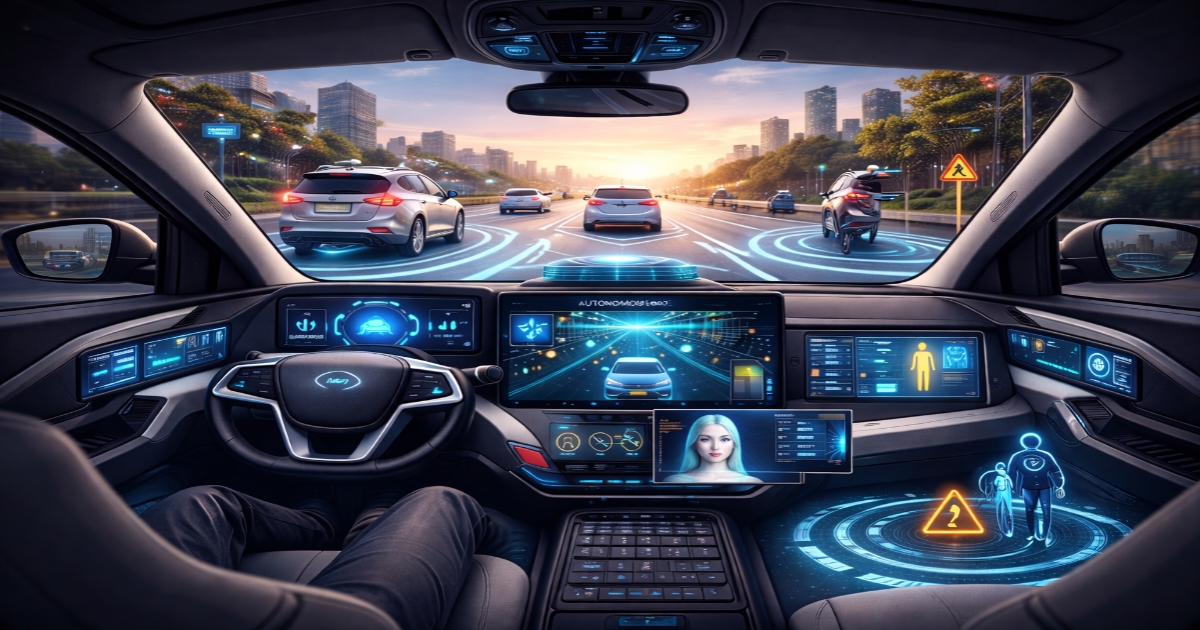
Artificial intelligence has become the backbone of Vehicle Technology Updates in 2026, especially in Advanced Driver Assistance Systems (ADAS). Modern vehicles now use machine learning algorithms to interpret road conditions, detect hazards, and assist drivers in real time.
Unlike earlier versions, today’s ADAS platforms continuously improve through cloud-based data learning. Automakers like Tesla and Toyota have introduced enhanced predictive safety systems that anticipate potential collisions seconds before they happen.
These systems rely on radar, LiDAR, high-resolution cameras, and neural processors to create a 360-degree safety shield around the vehicle.
Key features include:
- Predictive collision avoidance with AI decision modeling
- Enhanced lane-keeping with adaptive road learning
- Real-time pedestrian and cyclist detection
- Start traffic sign recognition with contextual speed adjustment
- AI-assisted emergency braking and evasive steering
For buyers, these Vehicle Technology Updates mean safer daily commutes, lower insurance risks, and greater peace of mind. Always check if your chosen model includes Level 2+ or Level 3 autonomous capabilities before purchase.
2. Level 3 & Level 4 Autonomous Driving Expansion
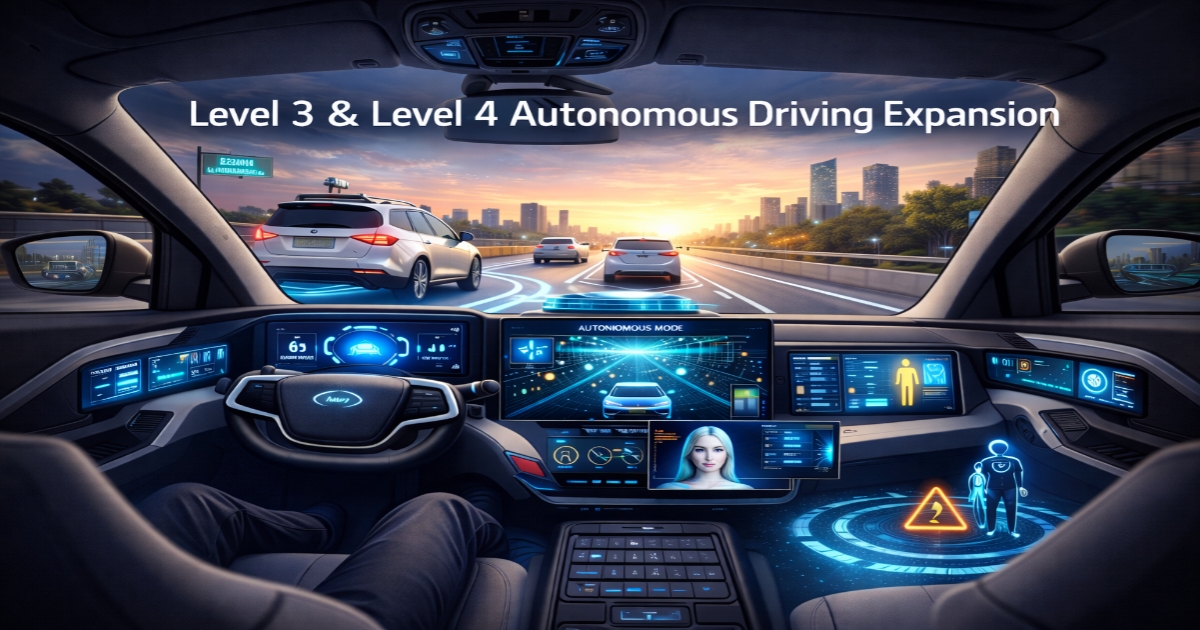
One of the most revolutionary Vehicle Technology Updates in 2026 is the mainstream availability of Level 3 and selective Level 4 autonomous driving systems. Previously limited to luxury models, semi-autonomous driving is now expanding into mid-range vehicles.
Companies like Mercedes-Benz and BMW have introduced highway autopilot systems that allow hands-free driving under controlled conditions. These systems can manage acceleration, braking, lane changes, and even respond to sudden traffic slowdowns.
Important advancements include:
- Automated highway driving at speeds up to 80 mph
- Driver monitoring systems with eye-tracking cameras
- Safe handover alerts when manual control is needed
- Smart navigation integrated with real-time traffic AI
- Geo-fenced autonomous zones in smart cities
Before buying a car in 2026, verify the autonomy level, legal restrictions in your region, and software update policies. Not all autonomous features are activated in every country, making this a crucial factor in your decision.
3. Electric Vehicle (EV) Battery Breakthroughs
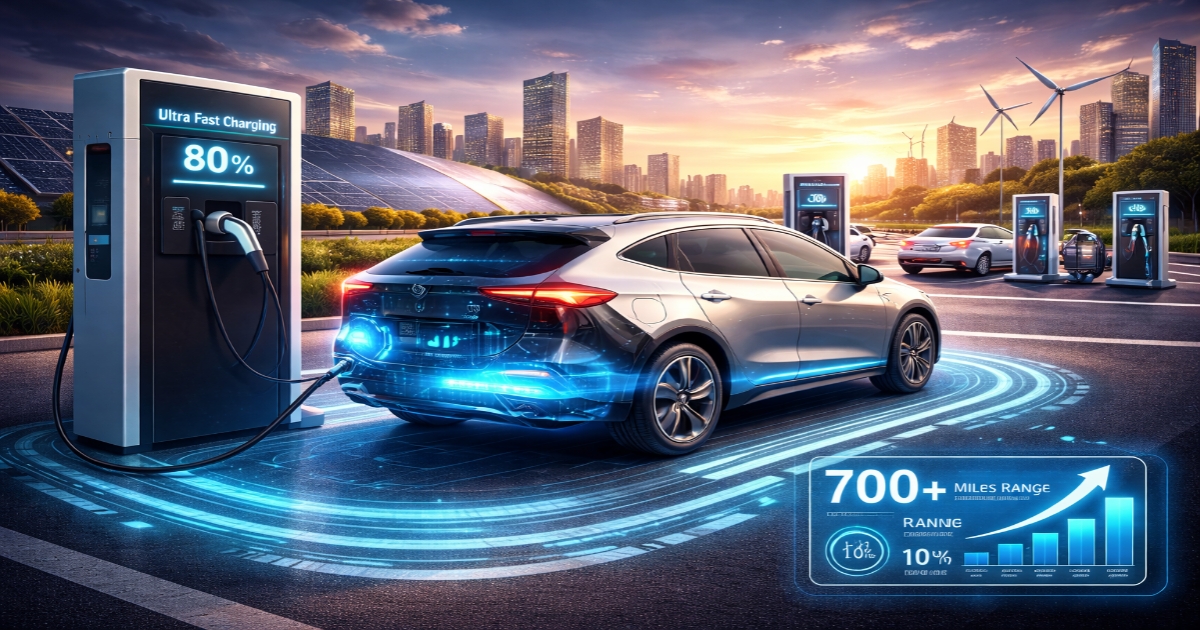
Battery innovation dominates Vehicle Technology Updates in 2026, especially with the rise of solid-state battery technology. Automakers like Hyundai and Ford are investing heavily in next-generation battery chemistry that increases driving range while reducing charging time.
Solid-state batteries offer higher energy density, lower fire risk, and longer lifespan compared to traditional lithium-ion batteries.
Major improvements include:
- 500–700 miles of range on a single charge
- 10–15 minute ultra-fast DC charging capability
- Reduced battery degradation over time
- Improved cold-weather performance
- Bi-directional charging (vehicle-to-home support)
When evaluating EVs, consider battery warranty coverage, charging infrastructure compatibility, and total charging costs. Vehicle Technology Updates in the EV sector are making electric cars more practical than ever before.
4. Next-Generation Infotainment & Smart Cockpits
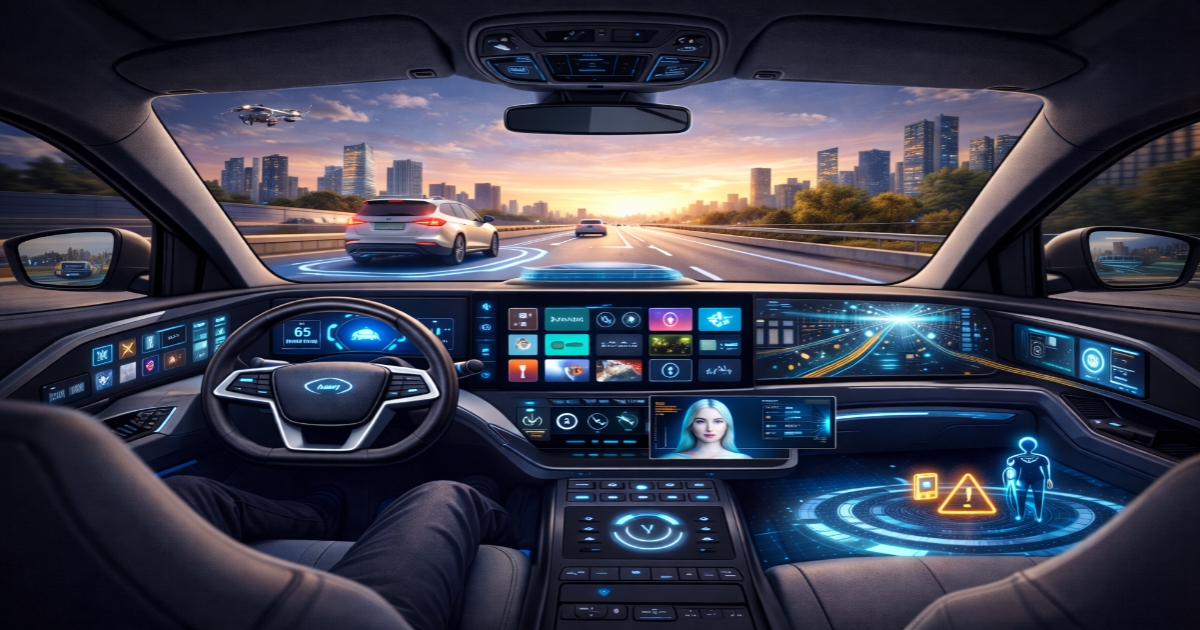
Infotainment systems in 2026 have evolved into fully digital smart cockpits powered by AI and cloud computing. Leading brands like NVIDIA provide automotive-grade processors capable of handling augmented reality navigation and real-time rendering.
Meanwhile, smartphone integrations such as Apple CarPlay and Android Auto now offer wireless connectivity, personalized driver profiles, and over-the-air upgrades.
Core infotainment Vehicle Technology Updates include:
- Panoramic OLED dashboards with customizable themes
- Augmented reality heads-up displays (AR-HUD)
- AI voice assistants with natural language processing
- Biometric driver authentication
- Seamless app integration with smart homes
Before buying, test the responsiveness, display clarity, and update frequency of the infotainment system. A slow interface today can feel outdated within a few years.
5. Over-the-Air (OTA) Software Updates
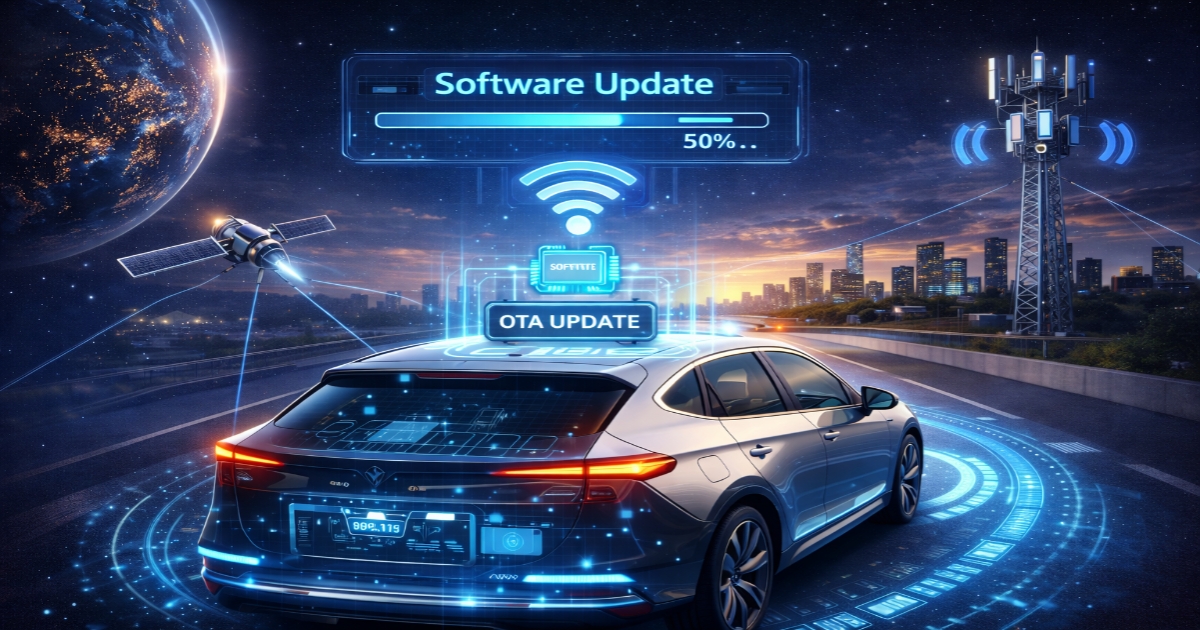
Software-defined vehicles are among the most transformative Vehicle Technology Updates in 2026. Instead of visiting dealerships for upgrades, modern cars receive software improvements wirelessly.
Pioneered by Tesla and now adopted by brands like Volkswagen, OTA updates enhance performance, add features, and fix bugs remotely.
Benefits include:
- Performance tuning improvements
- Battery efficiency optimization
- New driver assistance features
- Security patches against cyber threats
- Infotainment upgrades
When buying a car, ask how long the manufacturer guarantees OTA support. Software longevity is now as important as engine reliability.
6. Enhanced Vehicle Cybersecurity
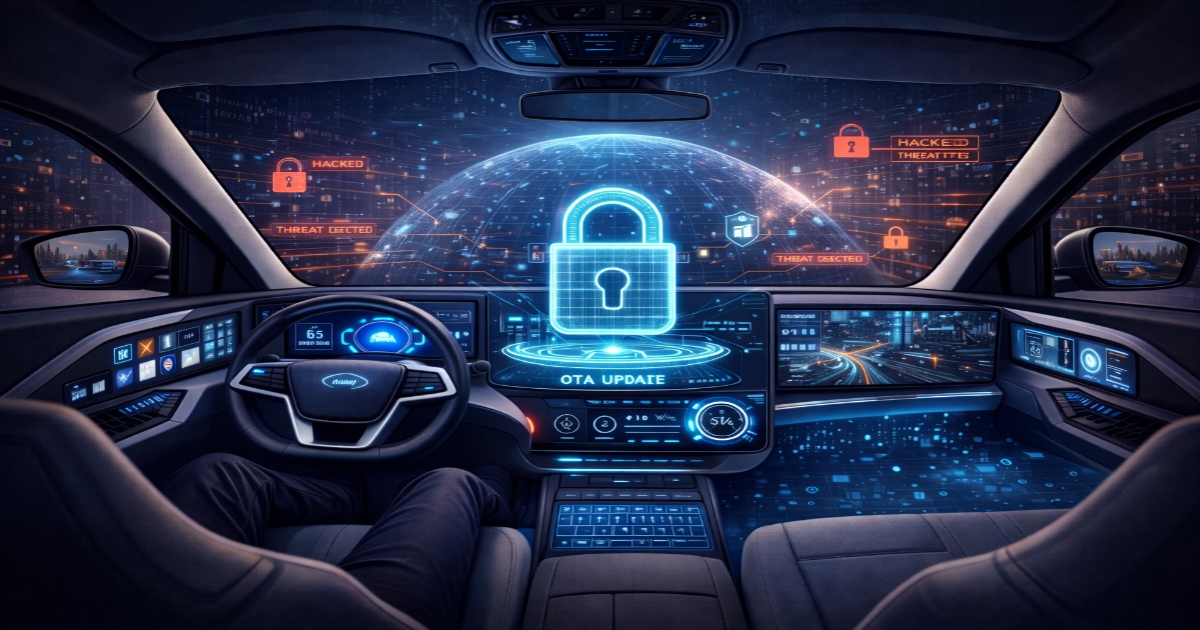
With increased connectivity comes increased risk. Vehicle Technology Updates in cybersecurity now include encrypted communication systems, blockchain-based authentication, and intrusion detection software.
Automakers collaborate with tech firms to protect vehicles from hacking attempts that target connected features.
Cybersecurity advancements include:
- End-to-end encryption for vehicle networks
- AI-based anomaly detection
- Secure digital keys via smartphone
- Multi-factor authentication for remote access
- Regular cloud-based security patches
A secure vehicle protects not just your data but also your physical safety. Ensure your chosen car includes certified cybersecurity standards.
7. Sustainable and Smart Interior Materials
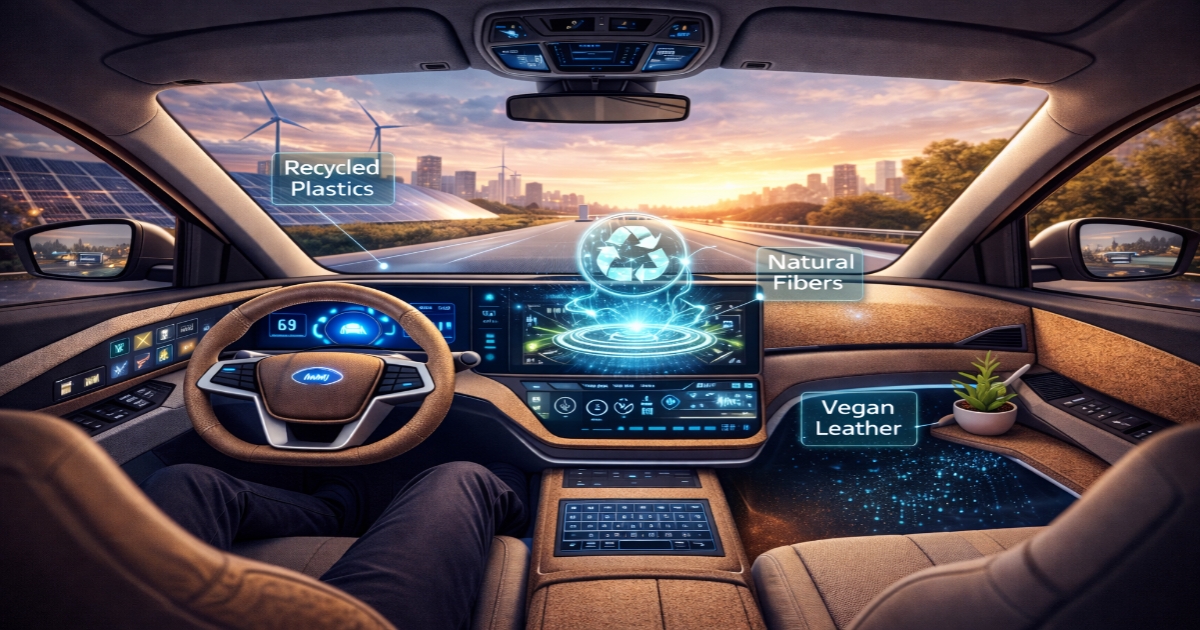
Sustainability is central to Vehicle Technology Updates in 2026. Manufacturers are using recycled plastics, plant-based leather alternatives, and low-carbon manufacturing processes.
Brands are also integrating smart climate systems that optimize airflow based on passenger position.
Innovations include:
- Vegan leather upholstery
- Recycled ocean plastic trims
- Air purification systems with HEPA filters
- Solar roof panels for auxiliary charging
- Energy-efficient ambient lighting
Eco-conscious buyers should review sustainability reports and lifecycle emissions data before purchasing.
8. Connected Car Ecosystems & 5G Integration
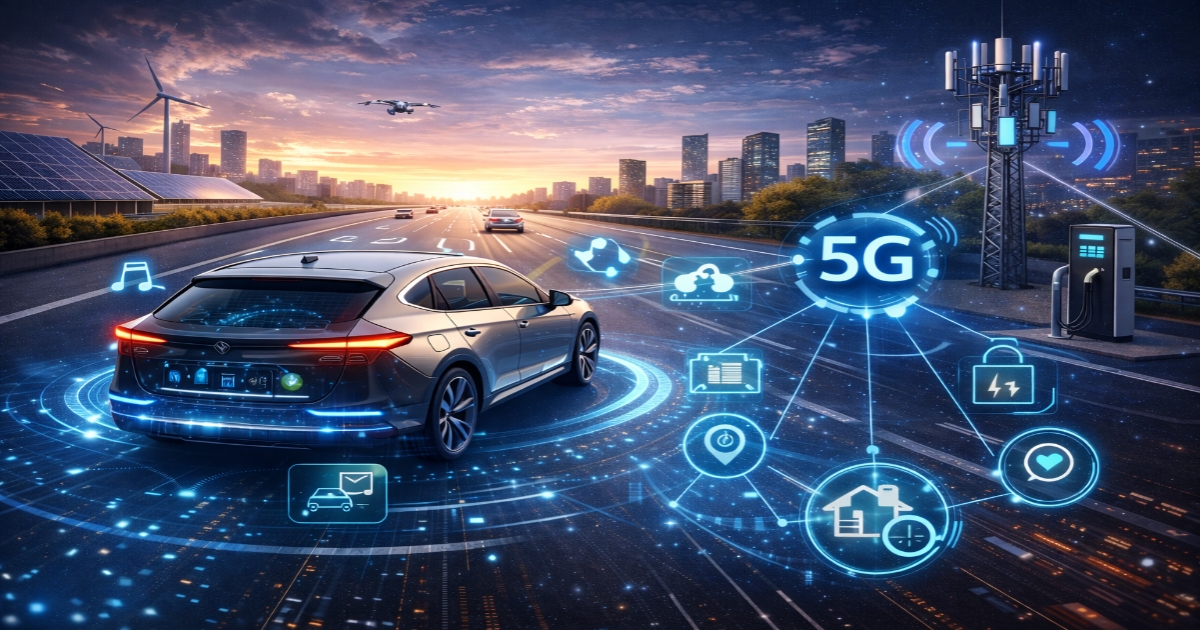
5G connectivity is redefining Vehicle Technology Updates by enabling real-time communication between vehicles, infrastructure, and cloud servers.
Cars now function as mobile data hubs, supporting streaming, remote diagnostics, and predictive maintenance alerts.
Connectivity features include:
- Vehicle-to-vehicle (V2V) communication
- Real-time navigation updates
- Remote vehicle control via smartphone apps
- Predictive maintenance alerts
- Cloud-based driving analytics
This level of connectivity enhances safety, efficiency, and convenience — especially in urban environments.
9. Advanced Safety Innovations
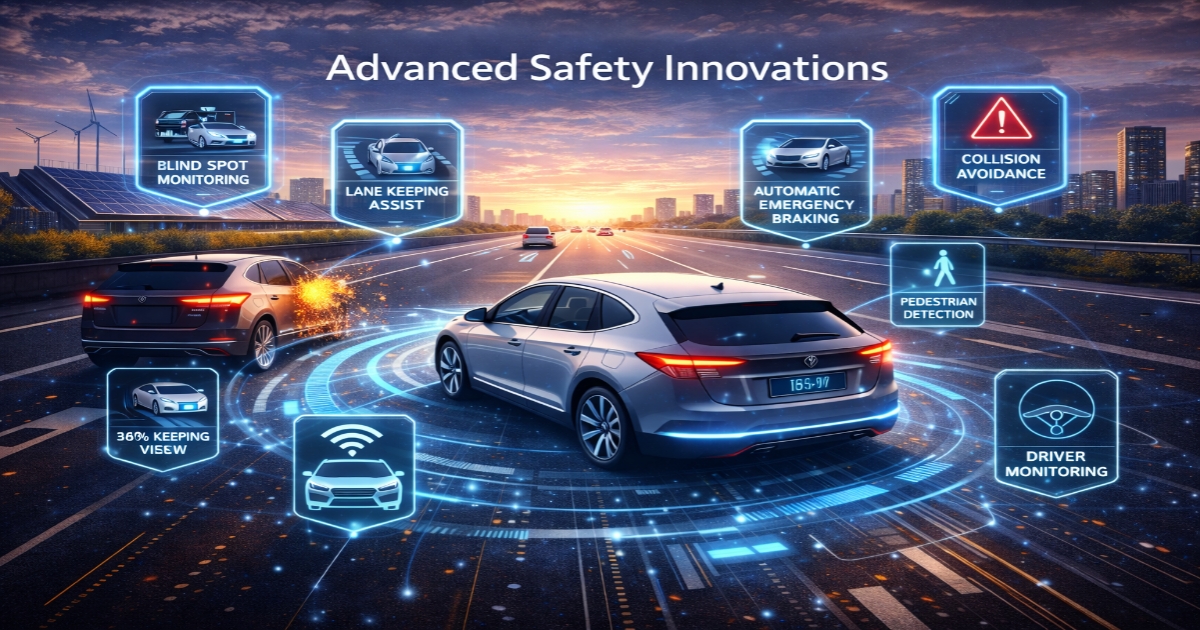
Safety remains the foundation of all Vehicle Technology Updates in 2026. Modern vehicles now integrate 360-degree airbags, smart crash prediction software, and adaptive crumple zones that adjust based on collision type.
Safety highlights include:
- Rear occupant detection systems
- Cross-traffic emergency braking
- Driver fatigue monitoring
- Night vision pedestrian detection
- Smart adaptive headlights
These technologies significantly reduce accident severity and fatality risks.
10. Hydrogen & Alternative Fuel Innovations
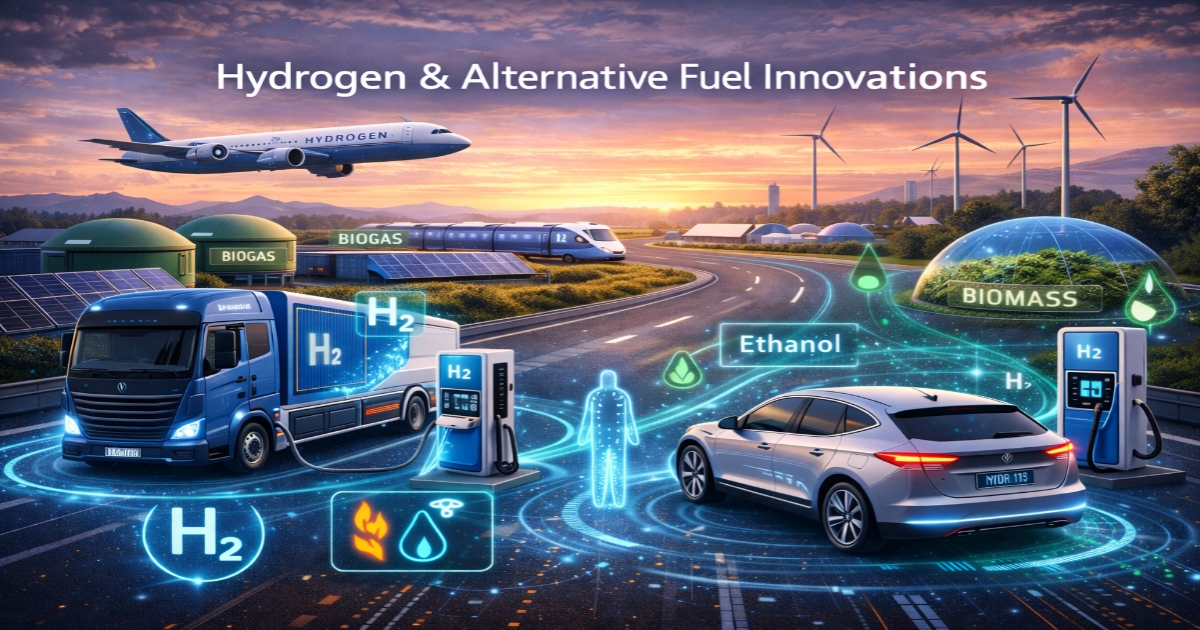
While EVs dominate headlines, hydrogen fuel cell vehicles are quietly advancing. Companies like Hyundai continue investing in hydrogen mobility solutions with faster refueling times compared to EVs.
Emerging fuel innovations include:
- Improved hydrogen storage efficiency
- Hybrid hydrogen-electric drivetrains
- Carbon-neutral synthetic fuels
- Government-supported hydrogen infrastructure
- Zero tailpipe emissions
Buyers should evaluate regional fueling availability before considering hydrogen vehicles.
Final Thoughts:
The Vehicle Technology Updates in 2026 show that cars are becoming smarter, safer, and more sustainable than ever before. From AI-powered driving assistance to ultra-fast charging batteries and immersive digital dashboards, today’s vehicles are essentially computers on wheels.
However, rapid innovation also means faster depreciation of outdated models. If you are buying a car in 2026, prioritize software support, autonomous capability level, battery technology, and connectivity features.
Making an informed decision today ensures your investment remains relevant for years to come. The automotive future is no longer approaching — it is already here.
Frequently Asked Questions ( FAQs):
Q.1: What are the most important Vehicle Technology Updates in 2026?
The most important Vehicle Technology Updates in 2026 focus on safety, connectivity, electrification, and automation. Modern cars now feature AI-powered driver assistance systems, Level 3 semi-autonomous driving, solid-state battery advancements, and advanced infotainment systems with augmented reality displays. Over-the-air (OTA) software updates are also becoming standard, allowing vehicles to improve performance and security without visiting a dealership. Additionally, 5G connectivity enables real-time navigation updates and vehicle-to-vehicle communication. Before buying a car in 2026, it’s essential to check for these advanced features to ensure your vehicle remains future-ready, safe, and compatible with upcoming automotive innovations.
Q.2: Are autonomous driving features worth considering before buying a car?
Yes, autonomous driving features are one of the most valuable Vehicle Technology Updates to consider in 2026. Level 2+ and Level 3 systems provide hands-free highway driving, adaptive cruise control, lane-centering assistance, and intelligent emergency braking. These technologies significantly reduce driver fatigue and enhance road safety during long trips.
However, buyers should verify local regulations and understand system limitations, as autonomous capabilities may vary by region. Investing in a car with advanced driver assistance systems not only increases safety but also improves resale value, making it a smart long-term purchase decision in today’s rapidly evolving automotive market.
Q.3: How have electric vehicle batteries improved in 2026?
Electric vehicle battery technology has made significant progress as part of the latest Vehicle Technology Updates. In 2026, many EVs offer extended driving ranges between 500 and 700 miles on a single charge, thanks to improved lithium-ion and emerging solid-state battery technology.
Charging times have also decreased dramatically, with ultra-fast DC charging stations capable of delivering up to 80% charge in under 15 minutes. These improvements make EVs more convenient for daily commuting and long-distance travel. When purchasing an electric vehicle, buyers should evaluate battery warranty coverage, charging network compatibility, and long-term efficiency to maximize their investment.
Q.4: What is the role of over-the-air (OTA) updates in modern vehicles?
Over-the-air updates are one of the most impactful Vehicle Technology Updates in 2026 because they transform vehicles into software-driven machines. OTA updates allow manufacturers to remotely enhance vehicle performance, improve battery efficiency, fix software bugs, and introduce new features without requiring dealership visits.
This ensures your car remains updated with the latest safety patches and technology improvements throughout its lifecycle. Buyers should ask how long the manufacturer guarantees OTA support, as extended software updates can significantly extend the value and usability of a vehicle over time.
Q.5: How does 5G connectivity improve modern cars?
5G integration is reshaping the automotive industry and is a major part of Vehicle Technology Updates in 2026. With ultra-fast data speeds and low latency, 5G enables real-time navigation updates, seamless streaming services, remote vehicle diagnostics, and vehicle-to-infrastructure communication. This technology enhances safety by allowing cars to receive traffic alerts, weather warnings, and hazard notifications instantly.
It also supports connected ecosystems where drivers can control their vehicles remotely through smartphone apps. When buying a new car, choosing a model with built-in 5G connectivity ensures better performance, enhanced convenience, and improved long-term compatibility with smart city infrastructure.