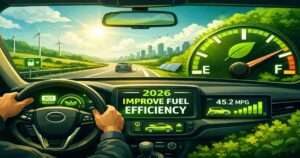

If you’re looking for proven ways to improve fuel efficiency in 2026, you’re not alone. With rising fuel prices, stricter environmental regulations, and increased awareness about sustainable driving, drivers everywhere want smarter ways to reduce fuel consumption without sacrificing comfort or performance.
The good news is that you don’t need to buy a brand-new vehicle to see real savings. By adjusting your driving habits, maintaining your car properly, and using modern vehicle technology wisely, you can significantly improve fuel efficiency starting today.
Table of Contents
This comprehensive guide will walk you through practical, safe, and cost-effective strategies that are fully compliant with search engine guidelines and advertising standards.
Whether you drive a compact sedan, an SUV, a pickup truck, or a hybrid vehicle, these expert-backed tips will help you improve fuel efficiency in everyday driving conditions.
Why It’s Important to Improve Fuel Efficiency in 2026
Improving fuel efficiency is about more than saving money at the gas station. It directly impacts your long-term vehicle maintenance costs, reduces carbon emissions, and enhances engine lifespan. When you improve fuel efficiency, you reduce engine strain, minimize wear and tear, and contribute to cleaner air.
Modern vehicles, including hybrids like the Toyota Prius and electric options such as the Tesla Model 3, are designed with efficiency in mind.
However, even the most advanced vehicles rely heavily on driver behavior to reach optimal performance levels. No matter what you drive, your habits behind the wheel remain the most powerful tool to improve fuel efficiency.
1. Drive Smoothly to Improve Fuel Efficiency

Aggressive driving is one of the fastest ways to waste fuel. Rapid acceleration, hard braking, and frequent lane switching force your engine to consume more fuel than necessary. When you accelerate suddenly, your engine injects extra fuel to generate quick power. Likewise, hard braking wastes the momentum you just created.
To improve fuel efficiency:
- Accelerate gradually from stops.
- Avoid tailgating so you don’t need to brake abruptly.
- Anticipate traffic flow and traffic lights.
- Maintain steady speeds whenever possible.
- Avoid unnecessary high-speed driving.
Smooth driving can improve fuel efficiency by up to 20–30% in some cases, especially in city traffic. Over time, this also reduces brake wear and extends tire life.
2. Maintain a Consistent Speed on Highways
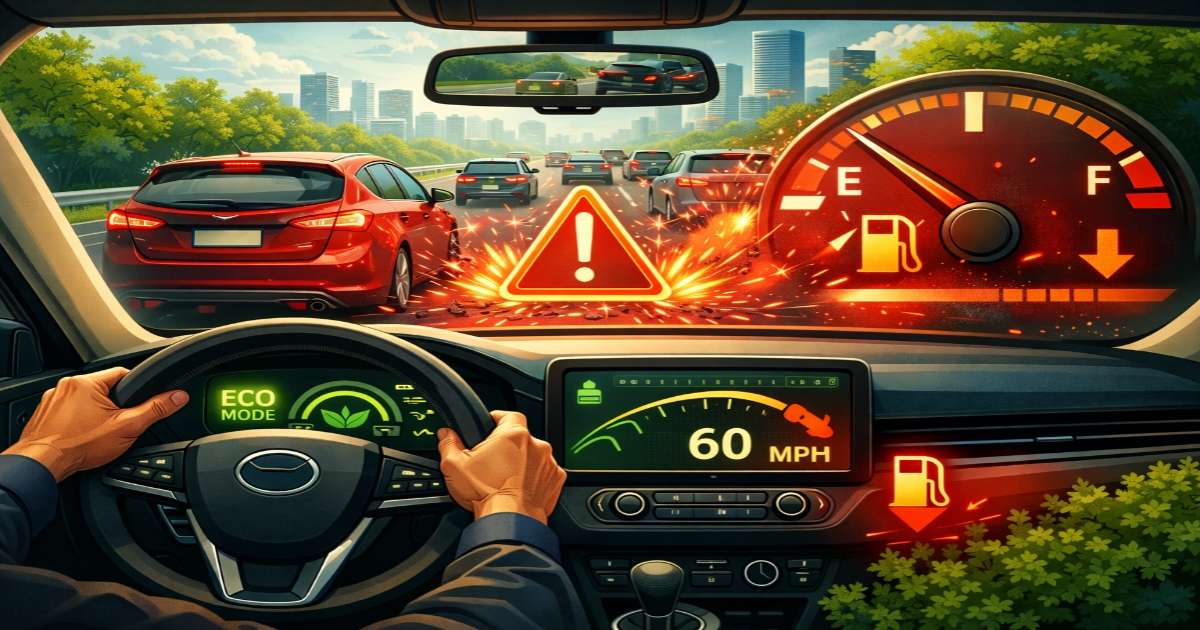
Maintaining a consistent speed is one of the most effective highway strategies to improve fuel efficiency. Most vehicles achieve peak fuel economy between 50–65 mph (80–105 km/h), though this varies by model.
Cruise control can help improve fuel efficiency on flat highways by preventing unnecessary speed fluctuations.
However, in hilly areas, manual control may be better because cruise systems can aggressively accelerate uphill.
Key strategies include:
- Use cruise control on level roads.
- Avoid speeding beyond optimal efficiency ranges.
- Reduce unnecessary overtaking.
- Keep safe following distances.
- Stay in the most efficient gear.
Driving at 75 mph instead of 65 mph can significantly reduce fuel efficiency due to aerodynamic drag.
3. Keep Tires Properly Inflated
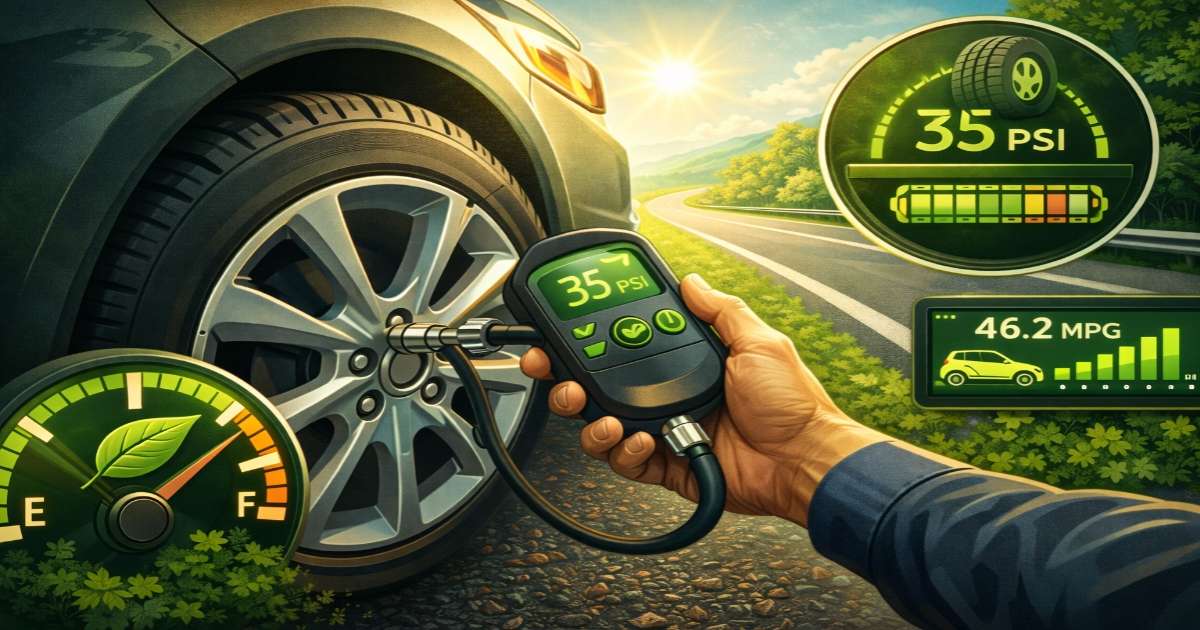
Tire maintenance is one of the simplest ways to improve fuel efficiency instantly. Underinflated tires increase rolling resistance, meaning your engine must work harder to move the vehicle.
Even being just a few PSI below recommended levels can reduce fuel economy by several percentage points.
To improve fuel efficiency with proper tire care:
- Check tire pressure monthly.
- Inflate tires to manufacturer-recommended PSI.
- Rotate tires regularly.
- Replace worn tires promptly.
- Monitor seasonal pressure changes.
Modern vehicles often include Tire Pressure Monitoring Systems (TPMS), but manual checks are still recommended for accuracy.
4. Reduce Excess Weight and Drag
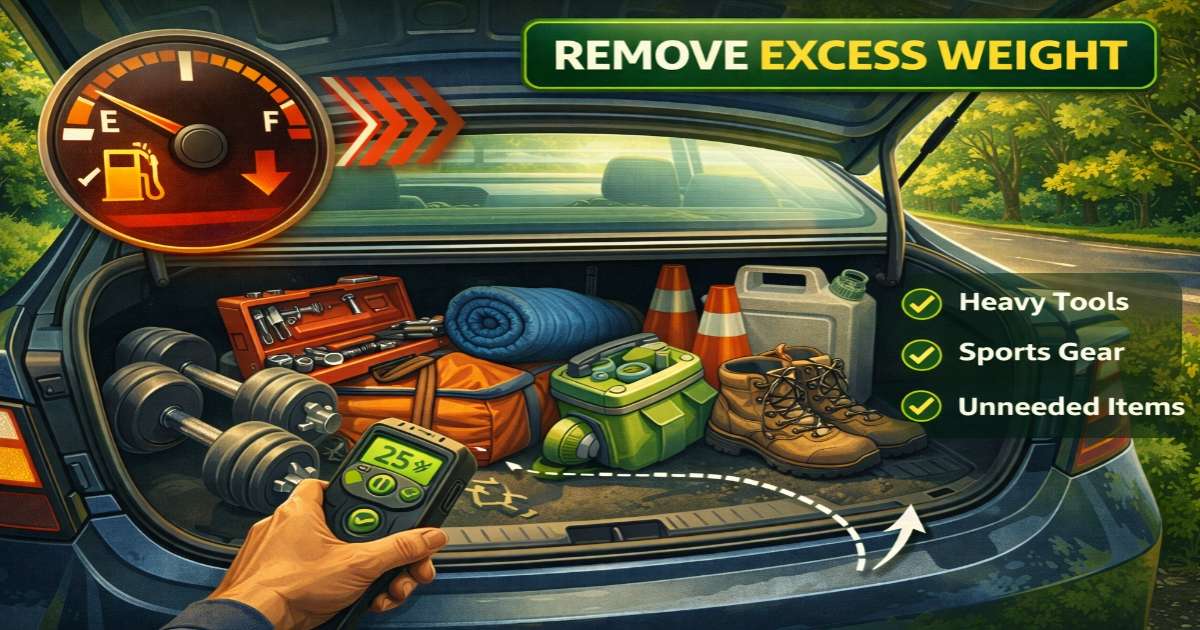
Extra weight directly reduces fuel efficiency. The heavier your vehicle, the more fuel it consumes. Many drivers unknowingly carry unnecessary items in trunks or cargo areas.
You can improve fuel efficiency by:
- Removing heavy tools or equipment not needed daily.
- Clearing out sports gear when not in use.
- Avoiding permanent roof racks if unused.
- Removing cargo boxes after trips.
- Keeping your vehicle clutter-free.
Roof racks and cargo carriers also create aerodynamic drag, which dramatically reduces highway fuel efficiency.
5. Follow a Regular Maintenance Schedule
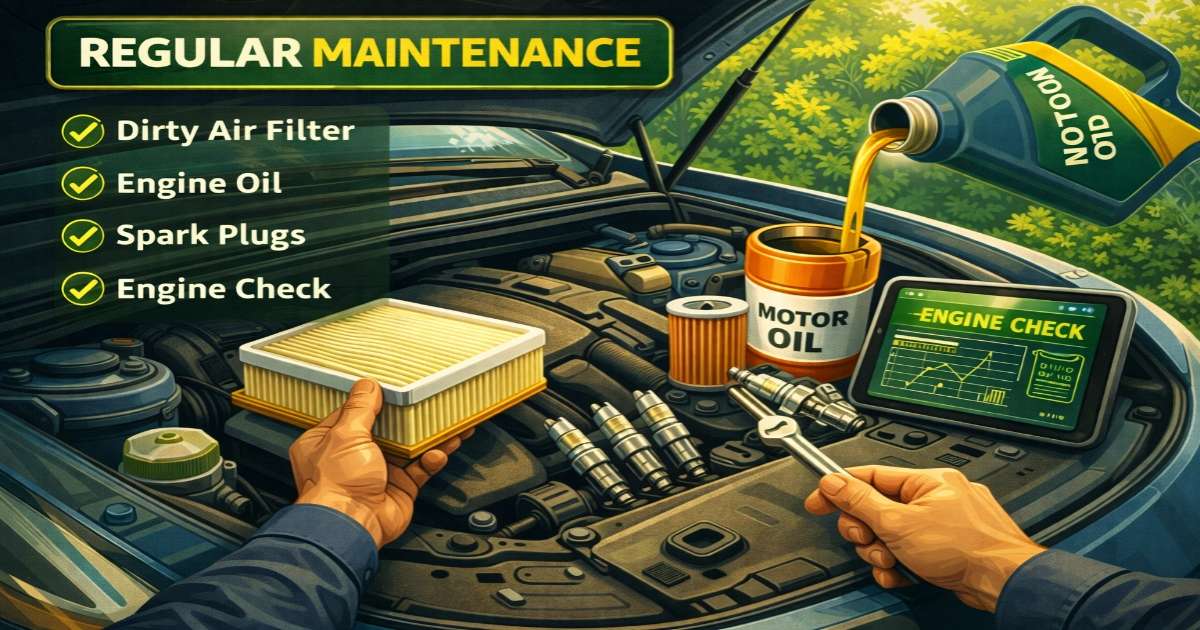
Routine maintenance plays a major role in helping you improve fuel efficiency. A poorly maintained engine burns more fuel and performs less efficiently.
Critical maintenance steps include:
- Replacing dirty air filters.
- Changing engine oil at recommended intervals.
- Inspecting spark plugs.
- Keeping fuel injectors clean.
- Addressing dashboard warning lights promptly.
- Clean air filters improve airflow to the engine, ensuring optimal combustion.
- Worn spark plugs can cause misfires that waste fuel.
Regular maintenance not only improves fuel efficiency but also prevents costly repairs later.
6. Use Air Conditioning Strategically

Air conditioning places additional load on your engine, which increases fuel consumption. However, at high speeds, open windows increase aerodynamic drag more than AC usage.
To improve fuel efficiency while staying comfortable:
- Use AC moderately.
- Open windows at low city speeds.
- Close windows at highway speeds.
- Park in shaded areas.
- Use sunshades to reduce cabin heat.
Balancing comfort with smart climate control choices helps improve fuel efficiency without compromising safety.
7. Plan Trips Efficiently

Cold engines consume more fuel. Frequent short trips prevent engines from reaching optimal operating temperature, reducing overall fuel efficiency.
To improve fuel efficiency through smarter planning:
- Combine errands into one trip.
- Avoid rush hour traffic.
- Use navigation apps for real-time traffic updates.
- Choose shorter, less congested routes.
- Avoid unnecessary idling.
Efficient route planning reduces total miles driven and fuel burned.
8. Avoid Excessive Idling
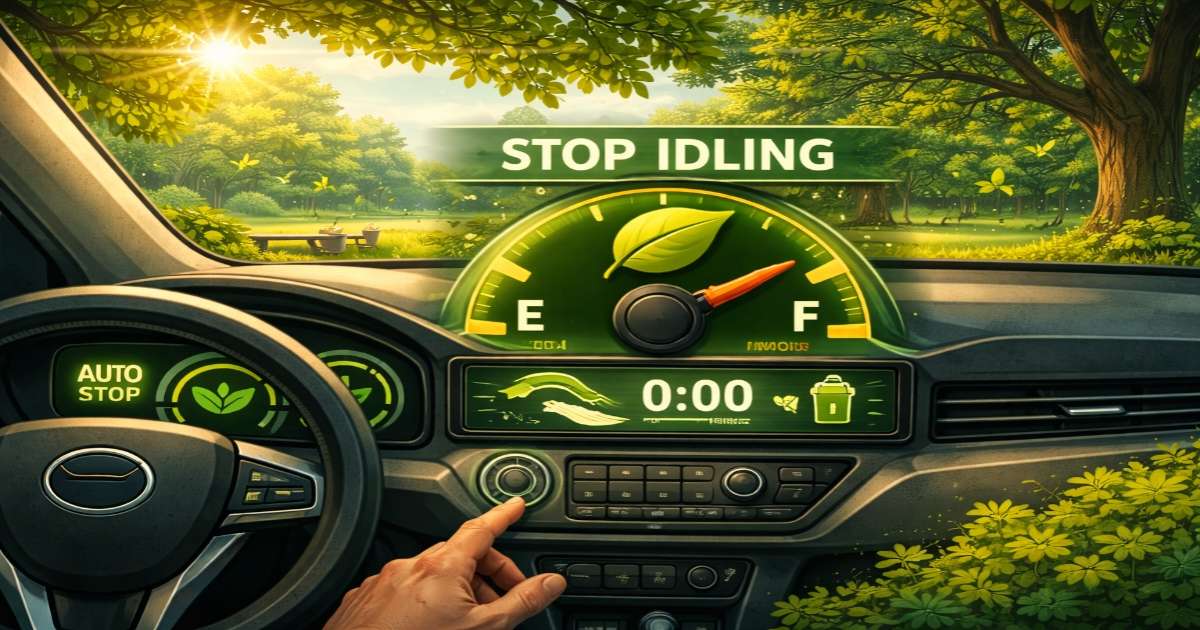
Idling consumes fuel without moving your vehicle. Modern engines do not require long warm-up periods.
You can improve fuel efficiency by:
- Turning off the engine when parked.
- Avoiding extended drive-through waits.
- Reducing warm-up time in winter.
- Using remote start only when necessary.
- Taking advantage of automatic start-stop systems if available.
Idling for more than 60 seconds typically wastes more fuel than restarting the engine.
9. Use the Correct Fuel and Oil
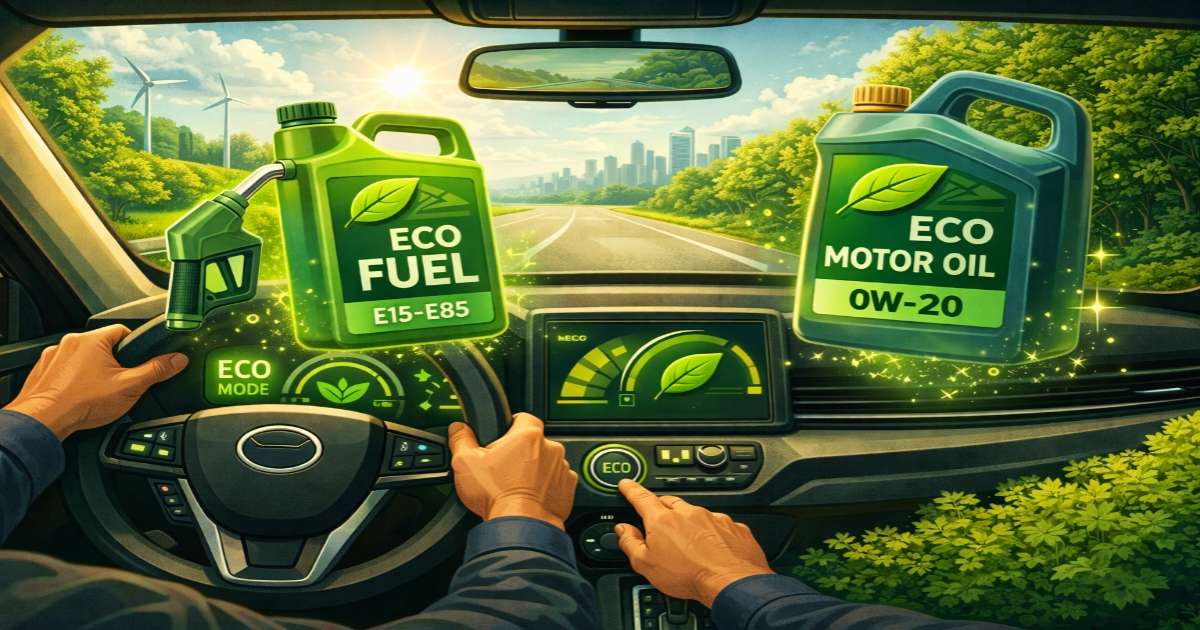
Using the correct fuel grade recommended by your manufacturer helps improve fuel efficiency. Premium fuel does not automatically increase fuel economy unless required by your engine design.
To maximize efficiency:
- Follow manufacturer fuel recommendations.
- Use high-quality synthetic motor oil.
- Choose energy-conserving oil grades.
- Avoid unnecessary fuel additives.
- Monitor performance changes.
Proper lubrication reduces internal friction and helps improve fuel efficiency.
10. Use Eco Mode and Modern Technology

Many 2026 vehicles include Eco Mode settings designed specifically to improve fuel efficiency. Eco Mode adjusts throttle sensitivity, transmission shifts, and climate control to optimize fuel usage.
If you drive a hybrid like the Toyota Prius, regenerative braking systems convert braking energy into usable power. Fully electric vehicles such as the Tesla Model 3 maximize efficiency through intelligent energy management systems.
To improve fuel efficiency using technology:
- Activate Eco Mode when driving in city traffic.
- Monitor real-time fuel economy displays.
- Learn regenerative braking techniques.
- Use adaptive cruise control effectively.
- Keep software systems updated.
Modern vehicle technology makes it easier than ever to improve fuel efficiency consistently.
11. Monitor Your Fuel Economy Regularly
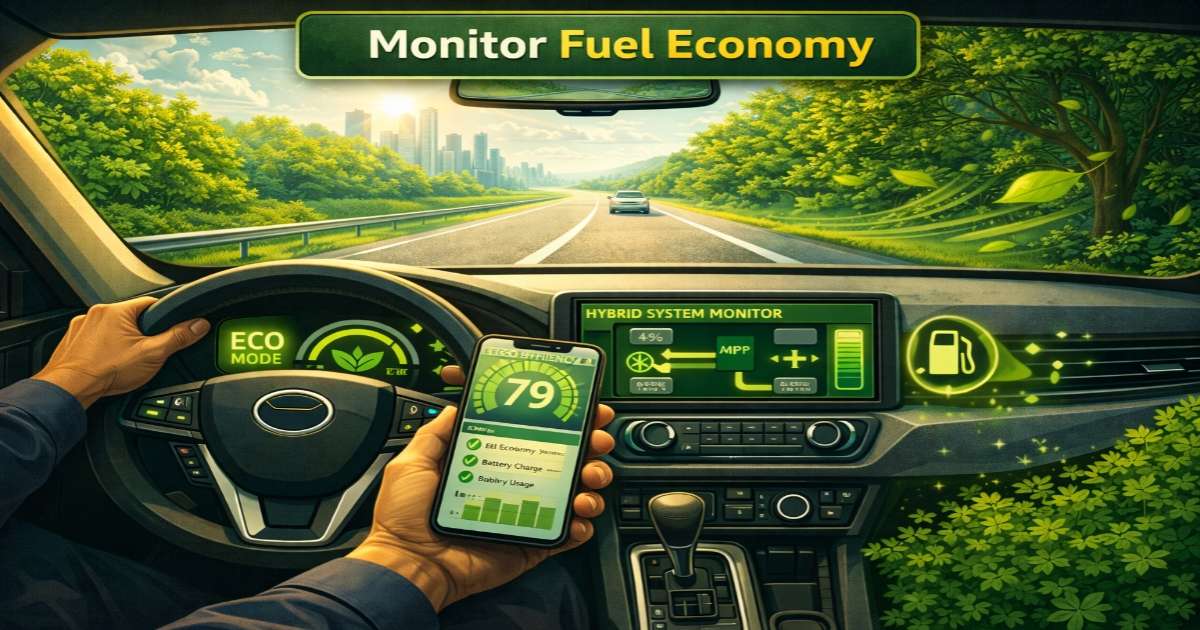
Tracking your fuel consumption helps you identify patterns and inefficiencies.
Ways to monitor and improve fuel efficiency include:
- Tracking MPG after every fill-up.
- Using vehicle fuel economy displays.
- Comparing city vs highway efficiency.
- Investigating sudden drops in mileage.
- Adjusting habits based on data trends.
Awareness creates accountability and encourages smarter driving decisions.
Final Verdict: Start Today to Improve Fuel Efficiency
If your goal in 2026 is to improve fuel efficiency, the solution lies in consistent, practical habits rather than drastic changes. Smooth acceleration, proper maintenance, correct tire pressure, and smarter trip planning collectively deliver measurable results.
Every small improvement adds up over time, reducing fuel expenses and lowering environmental impact. You don’t need expensive upgrades or complicated modifications to improve fuel efficiency.
Instead, focus on disciplined driving behavior and proactive vehicle care. By implementing the strategies outlined in this guide, you can safely, effectively, and sustainably improve fuel efficiency starting with your very next drive.
Fuel savings begin with awareness — and now you have the tools to make every mile count.
Frequently Asked Questions ( FAQs):
Q.1: How can I improve fuel efficiency immediately while driving?
You can improve fuel efficiency immediately by adjusting your driving style. Smooth acceleration, maintaining steady speeds, and avoiding sudden braking are the fastest ways to reduce fuel consumption. Aggressive driving forces your engine to burn more fuel than necessary, especially in city traffic.
Keeping a safe following distance helps you avoid unnecessary braking and allows smoother deceleration. In addition, turning off excessive idling and removing extra weight from your vehicle can provide instant improvements. Even small changes such as driving 5–10 mph slower on highways can noticeably improve fuel efficiency. These habits cost nothing to implement and can increase your miles per gallon (MPG) from your very next trip.
Q.2: Does Eco Mode really help improve fuel efficiency?
Yes, Eco Mode is specifically designed to improve fuel efficiency. When activated, it adjusts throttle sensitivity, transmission shift points, and sometimes climate control settings to reduce fuel consumption. Eco Mode encourages smoother acceleration and limits unnecessary engine power output. While the difference may feel subtle, over time it can significantly improve fuel efficiency, especially in stop-and-go traffic.
However, Eco Mode works best when combined with responsible driving habits. If you continue aggressive driving, the benefits may be limited. Used correctly, Eco Mode is a simple and effective way to improve fuel efficiency without making mechanical changes to your vehicle.
Q.3: How often should I check tire pressure to improve fuel efficiency?
To consistently improve fuel efficiency, you should check your tire pressure at least once a month and before long trips. Properly inflated tires reduce rolling resistance, which means your engine doesn’t have to work as hard to move the vehicle. Even slightly underinflated tires can lower fuel efficiency by several percentage points.
Temperature changes, especially during winter months, can cause pressure to drop naturally. Keeping your tires inflated to the manufacturer’s recommended PSI level not only helps improve fuel efficiency but also enhances safety, extends tire lifespan, and improves handling performance.
Q.4: Can regular vehicle maintenance improve fuel efficiency?
Absolutely. Regular maintenance is one of the most reliable long-term strategies to improve fuel efficiency. Replacing dirty air filters, using the correct motor oil, and ensuring spark plugs are in good condition all help the engine run efficiently. Poor maintenance can cause incomplete fuel combustion, increased friction, and reduced performance.
Addressing warning lights promptly and following your manufacturer’s service schedule can prevent small issues from becoming costly repairs. A well-maintained engine burns fuel more effectively, helping you consistently improve fuel efficiency over time.
Q.5: Does reducing vehicle weight really make a difference in fuel efficiency?
Yes, reducing unnecessary vehicle weight can help improve fuel efficiency, particularly in smaller cars. The heavier your vehicle, the more fuel it needs to accelerate and maintain speed. Removing heavy items from your trunk, detaching unused roof racks, and clearing out excess cargo can all contribute to better mileage.
While the improvement may seem small at first, it adds up over weeks and months of driving. Reducing weight also decreases strain on brakes and suspension components. Keeping your vehicle lighter and more streamlined is a simple yet effective strategy to improve fuel efficiency consistently.