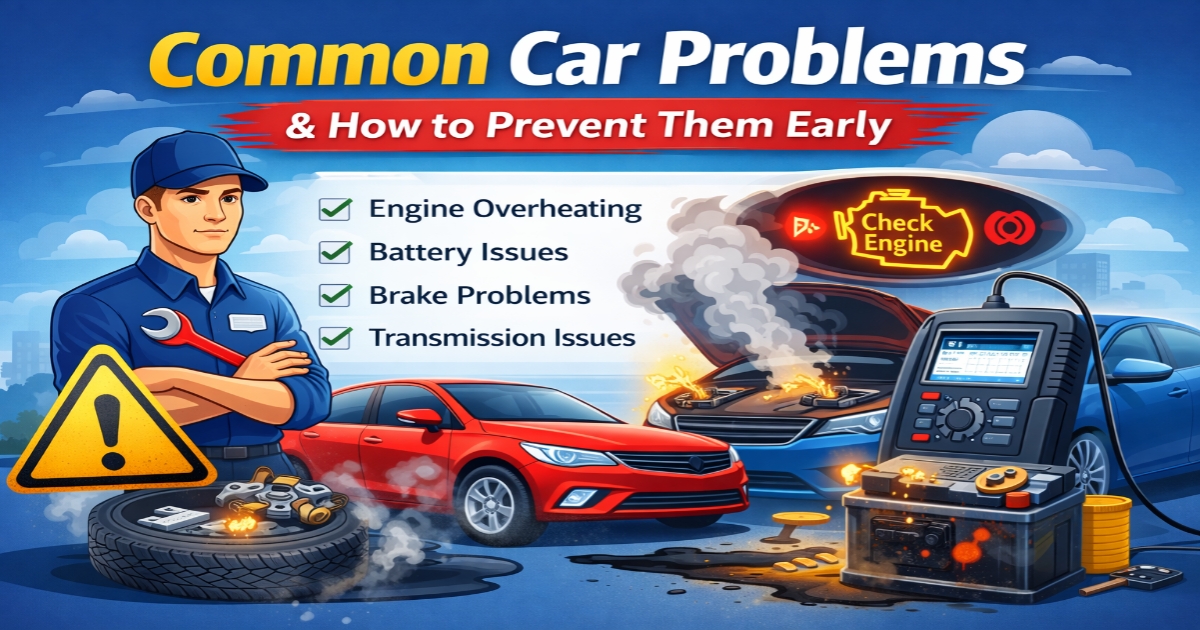

Cars are an essential part of everyday life, helping people commute to work, travel with family, and manage daily responsibilities. However, every vehicle, regardless of brand or model, can develop issues over time.
Understanding common car problems and learning how to prevent them early can save you thousands of dollars in repairs and protect your safety on the road.
Table of Contents
Many drivers ignore small warning signs, assuming they are minor inconveniences, but these small issues can quickly escalate into serious mechanical failures. By recognizing early symptoms and following simple maintenance practices, you can extend your vehicle’s lifespan and maintain its resale value.
This comprehensive guide explores the most common car problems, explains why they occur, and provides practical prevention tips. Whether you drive a compact sedan, SUV, or truck, these insights will help you avoid costly repairs and keep your car running smoothly for years to come.
1. Engine Overheating
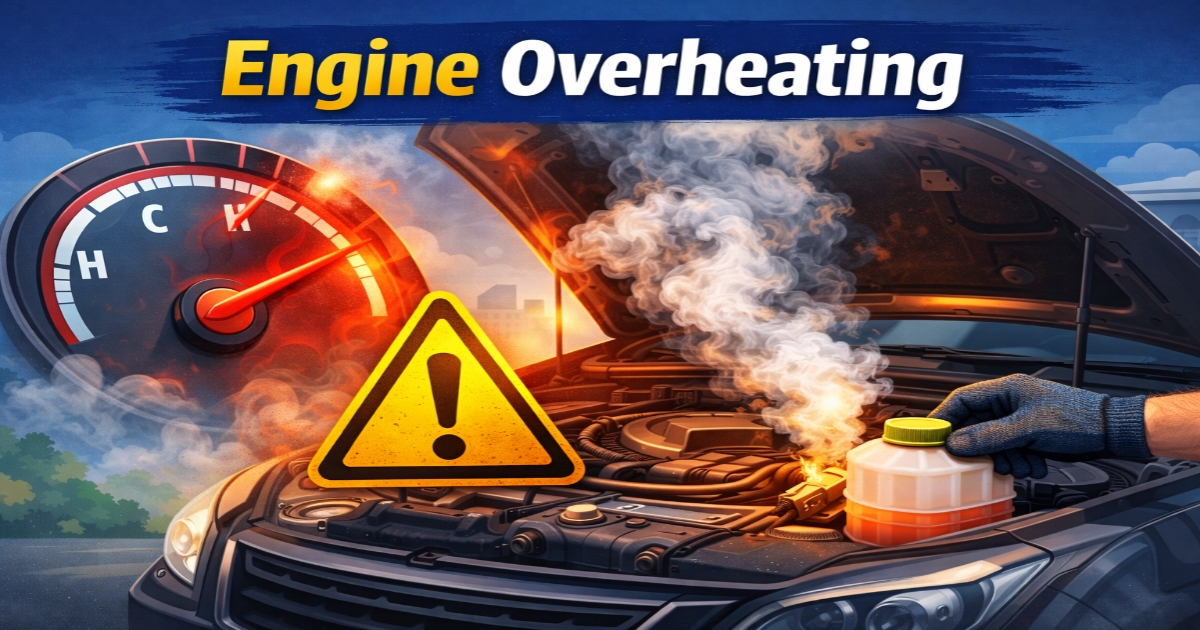
Engine overheating is one of the most serious common car problems that drivers encounter. When your engine overheats, it can lead to severe internal damage, including warped cylinder heads, blown head gaskets, or even complete engine failure.
Overheating usually occurs when the cooling system is not functioning properly. This system includes the radiator, thermostat, water pump, coolant, and cooling fans. If any of these components fail, heat builds up rapidly.
Early warning signs include the temperature gauge rising into the red zone, steam coming from under the hood, or a sweet smell caused by leaking coolant. Ignoring these signs can result in expensive repairs. Preventing engine overheating requires regular maintenance and careful attention to your vehicle’s cooling system.
How to Prevent Engine Overheating Early:
- Check coolant levels regularly and top up when necessary.
- Inspect hoses and radiator for leaks or cracks.
- Replace coolant according to manufacturer recommendations.
- Ensure the cooling fan operates properly.
- Never ignore warning lights on your dashboard.
2. Dead or Weak Battery
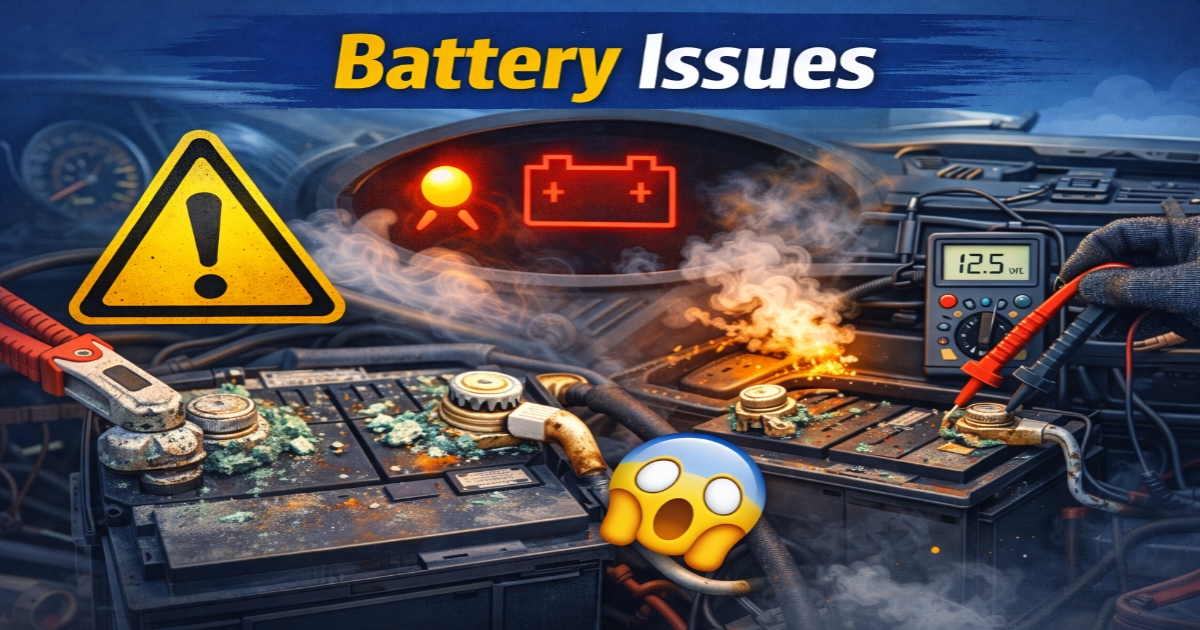
A dead or weak battery is among the most frustrating common car problems because it often happens unexpectedly. Your car battery supplies power to start the engine and run electrical components such as lights, radio, and air conditioning.
Over time, batteries lose their ability to hold a charge, especially in extreme weather conditions. Corroded terminals, leaving lights on overnight, or a faulty alternator can also drain battery power. If you hear a clicking sound when turning the key or notice dim headlights, your battery may be failing.
Replacing a battery is relatively inexpensive compared to other repairs, but failing to address the issue can leave you stranded. Regular inspection and maintenance can significantly reduce the risk of sudden battery failure.
How to Prevent Battery Issues Early:
- Clean battery terminals to prevent corrosion buildup.
- Test battery voltage during routine servicing.
- Turn off lights and accessories when the engine is off.
- Replace batteries every 3–5 years as recommended.
- Ensure the alternator is charging properly.
3. Brake Problems
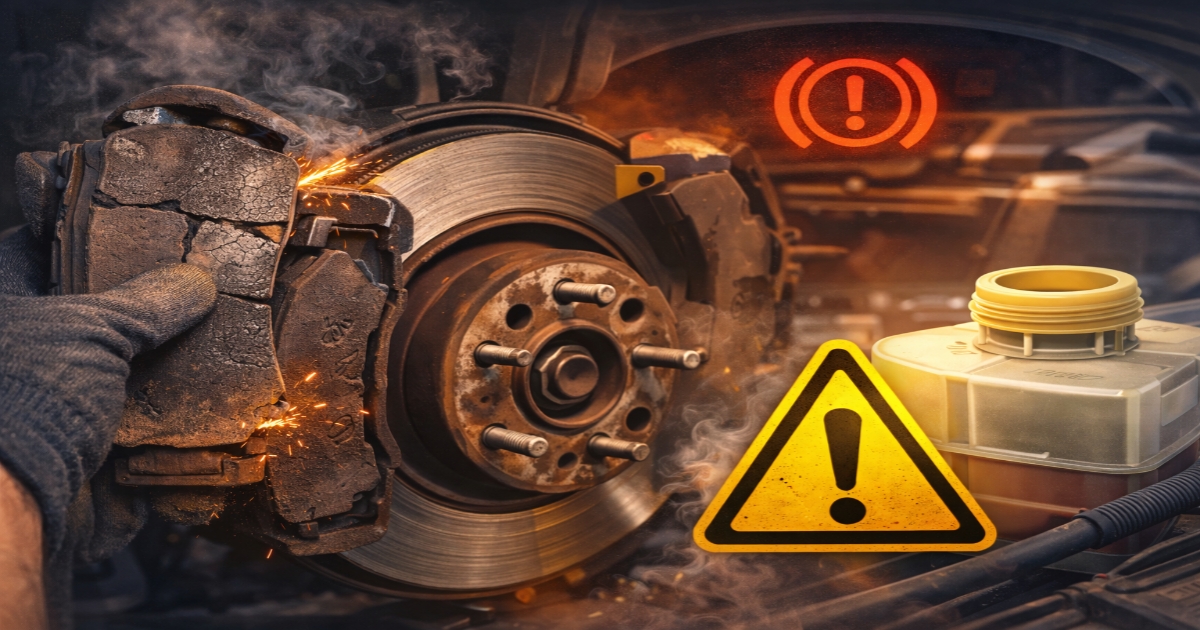
Brake system issues are critical common car problems that directly affect safety. Your vehicle’s braking system includes brake pads, rotors, calipers, and brake fluid. Over time, brake pads wear down due to friction, reducing stopping power.
If you hear squealing, grinding noises, or feel vibrations when braking, these are warning signs that your brakes need attention. Delaying brake maintenance can damage rotors and increase repair costs significantly. Additionally, low brake fluid levels or leaks can compromise braking efficiency.
Regular brake inspections help detect early wear and ensure safe driving conditions. Addressing brake problems promptly not only protects you and your passengers but also prevents more expensive repairs later.
How to Prevent Brake Issues Early:
- Replace brake pads before they become too thin.
- Check brake fluid levels regularly.
- Listen for unusual sounds when braking.
- Avoid aggressive braking whenever possible.
- Schedule routine brake inspections.
4. Engine Warning Light
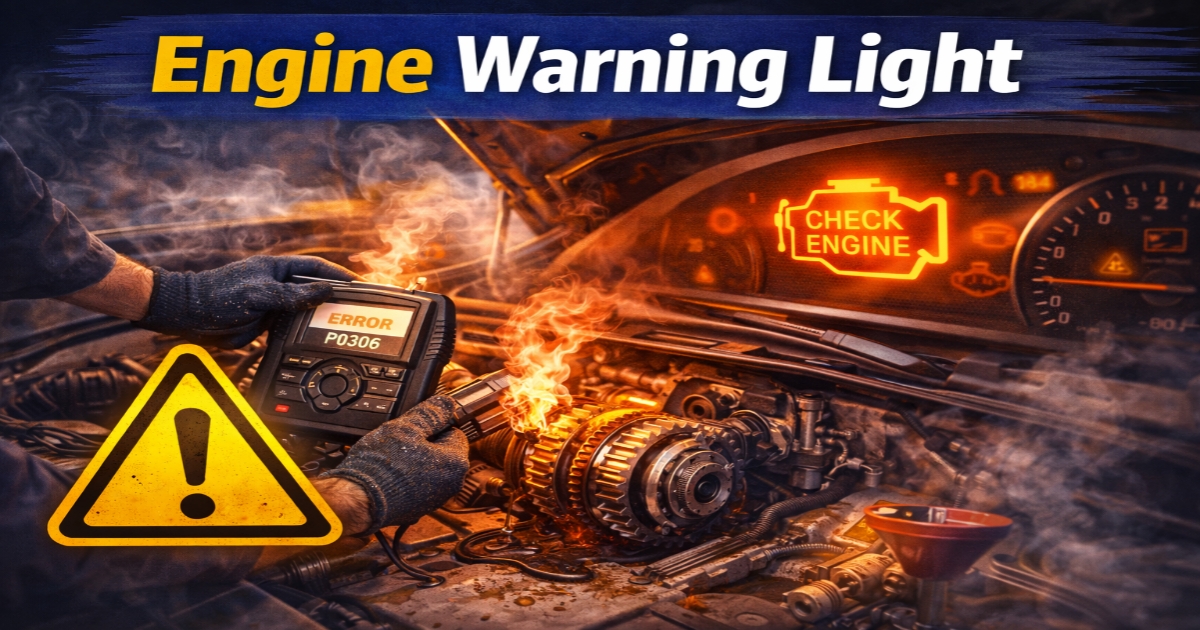
The check engine light is one of the most misunderstood common car problems indicators. This dashboard warning light can signal a wide range of issues, from a loose gas cap to serious engine malfunctions.
Modern vehicles use onboard diagnostics systems to monitor performance and emissions. When the system detects irregularities, the check engine light activates. Ignoring it can lead to reduced fuel efficiency, increased emissions, or long-term damage. While some issues may be minor, others require immediate professional inspection.
Using a diagnostic scanner helps identify error codes and determine the root cause. Taking quick action when the warning light appears prevents small problems from escalating into costly repairs.
How to Prevent Engine Warning Issues Early:
- Tighten the gas cap properly after refueling.
- Perform regular engine tune-ups.
- Replace spark plugs as recommended.
- Use quality fuel and engine oil.
- Address warning lights promptly.
5. Transmission Problems
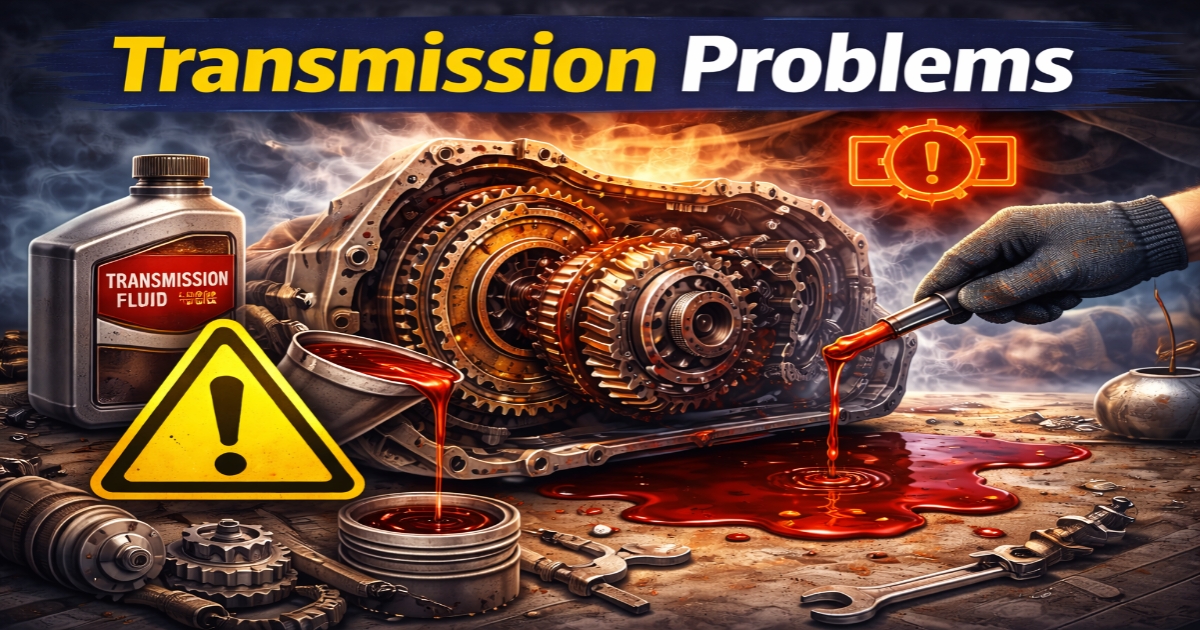
Transmission failure is one of the most expensive common car problems drivers can face. The transmission transfers power from the engine to the wheels and allows the vehicle to change gears smoothly.
Warning signs of transmission issues include slipping gears, delayed acceleration, unusual noises, or leaking transmission fluid. Low or contaminated fluid is a common cause of transmission problems. Driving with transmission issues can worsen internal damage and increase repair costs dramatically.
Preventative maintenance plays a key role in avoiding transmission failure. Regularly checking fluid levels and replacing worn components ensures smooth operation and extends transmission lifespan.
How to Prevent Transmission Problems Early:
- Check transmission fluid regularly.
- Replace transmission fluid as recommended.
- Avoid aggressive driving habits.
- Fix fluid leaks immediately.
- Schedule periodic professional inspections.
6. Tire Wear and Damage
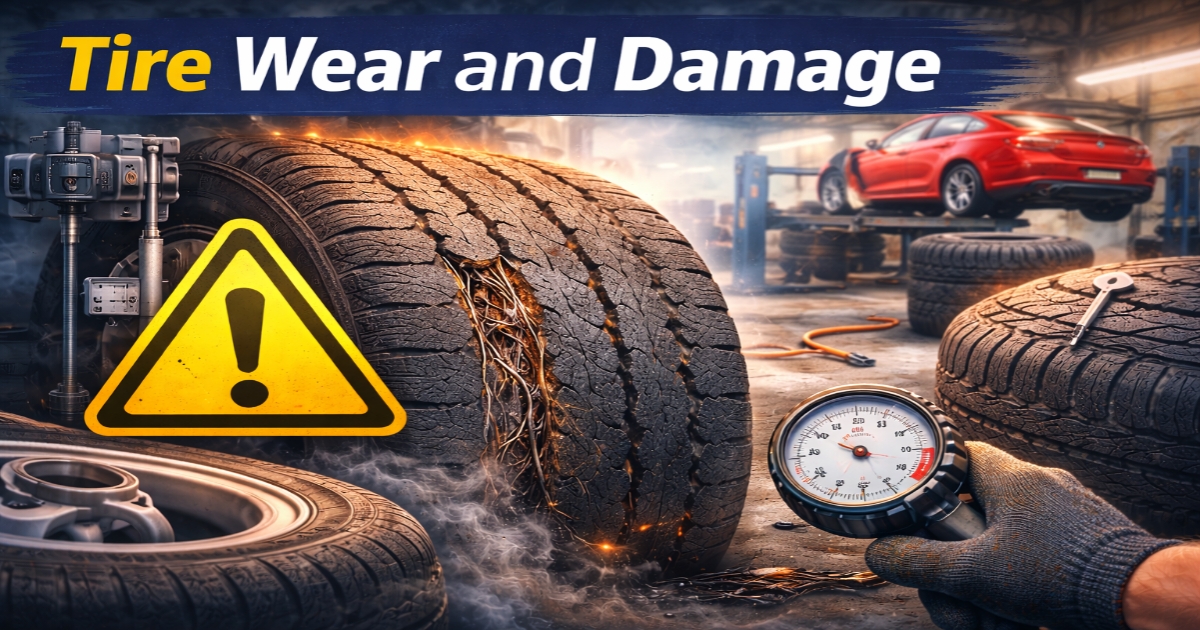
Uneven or excessive tire wear is among the most noticeable common car problems affecting vehicle performance and safety. Tires are the only part of your car that directly contacts the road, making them critical for traction and stability.
Poor alignment, improper inflation, or lack of rotation can cause uneven wear. Bald tires reduce braking efficiency and increase the risk of accidents, especially in wet conditions. Regular tire maintenance improves fuel efficiency and extends tire lifespan.
Paying attention to tread depth and pressure ensures safe driving and prevents sudden blowouts. Proper care of tires also enhances overall vehicle handling and comfort.
How to Prevent Tire Problems Early:
- Check tire pressure monthly.
- Rotate tires every 5,000–8,000 miles.
- Align wheels when necessary.
- Replace tires with low tread depth.
- Avoid potholes and rough driving conditions.
7. Oil Leaks
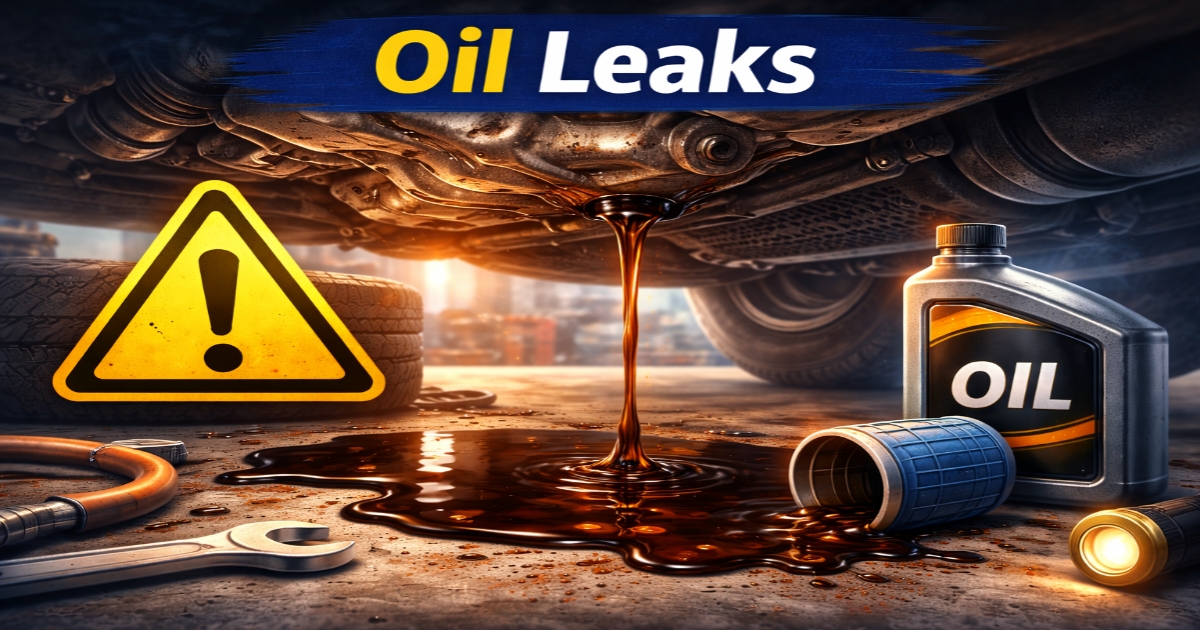
Oil leaks are silent but damaging common car problems that can severely impact engine performance. Engine oil lubricates moving parts and prevents friction-related damage. When oil leaks occur, lubrication decreases, increasing wear and overheating risks.
You may notice dark stains under your vehicle or a burning oil smell while driving. Common causes include worn gaskets, loose drain plugs, or damaged seals. Ignoring oil leaks can result in catastrophic engine failure.
Regular oil checks and timely repairs prevent serious complications. Maintaining proper oil levels ensures smooth engine operation and prolongs vehicle life.
How to Prevent Oil Leaks Early:
- Inspect oil levels regularly.
- Replace worn gaskets and seals promptly.
- Use recommended oil type.
- Tighten drain plugs properly.
- Schedule routine engine inspections.
8. Starter Motor Failure
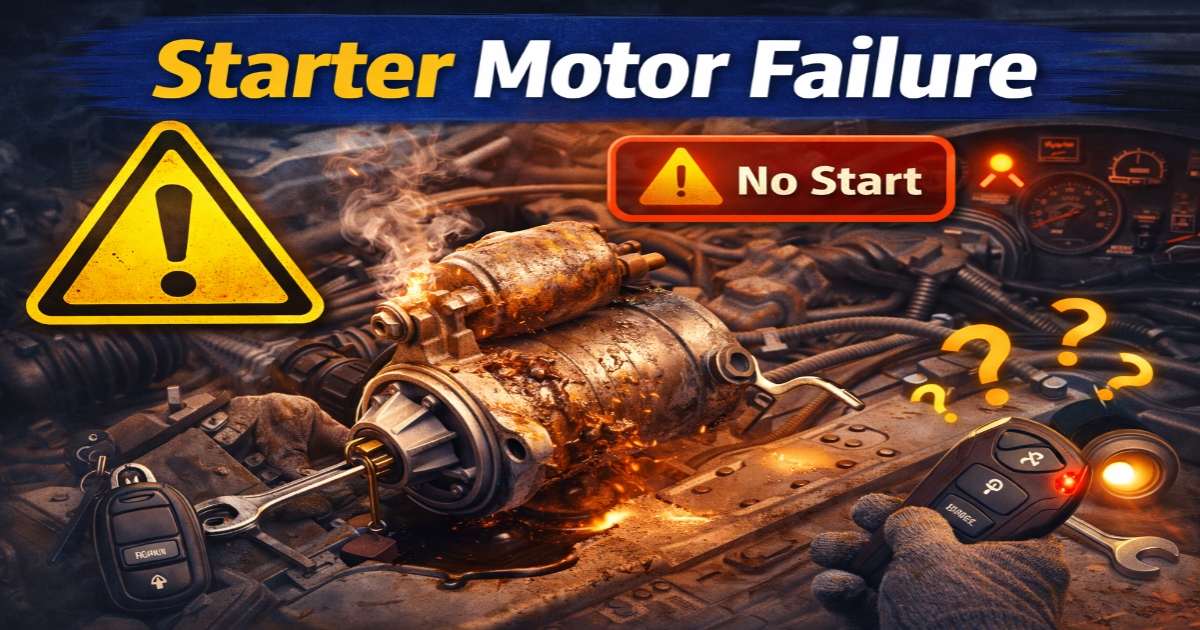
Starter motor failure is another frustrating common car problems category that prevents your engine from starting. The starter motor engages the engine when you turn the ignition key. If it fails, you may hear clicking noises or experience complete silence when attempting to start the car.
Electrical issues, worn components, or battery problems often contribute to starter failure. Preventative care includes maintaining the electrical system and addressing unusual starting delays early.
Ignoring warning signs can leave you stranded unexpectedly. Ensuring the battery and ignition system function properly reduces stress on the starter motor and extends its lifespan.
How to Prevent Starter Issues Early:
- Maintain a healthy battery.
- Avoid repeated short trips that strain the starter.
- Inspect wiring connections regularly.
- Replace worn ignition components.
- Seek professional diagnosis for starting delays.
Final Verdict:
Understanding common car problems and taking early preventive action is the smartest way to protect your vehicle investment. Regular maintenance, attentive driving habits, and timely repairs can significantly reduce breakdown risks and repair expenses.
Many car issues start as small warning signs, but neglecting them can lead to major mechanical failures. By following the preventive tips outlined in this guide, you can improve safety, boost fuel efficiency, and extend your car’s lifespan. Staying proactive ensures peace of mind every time you get behind the wheel.
Prioritize regular inspections, respond to warning signals quickly, and maintain your vehicle consistently to avoid unnecessary stress and costly repairs in the future.
Frequently Asked Questions ( FAQs ):
Q.1: What are the most common car problems drivers experience?
Many drivers face a variety of common car problems throughout the life of their vehicle, especially as mileage increases. The most frequent issues include engine overheating, battery failure, brake wear, transmission problems, oil leaks, and tire damage.
These problems often develop gradually due to normal wear and tear, poor maintenance, or harsh driving conditions. Ignoring early warning signs such as unusual noises, dashboard warning lights, fluid leaks, or reduced performance can lead to more expensive repairs. Regular vehicle servicing, fluid checks, and professional inspections can significantly reduce the risk of major breakdowns.
Staying proactive with maintenance is the most effective way to prevent these issues and keep your car operating efficiently for years.
Q.2: How can I prevent common car problems before they become serious?
Preventing common car problems starts with consistent maintenance and early detection. Simple habits such as checking oil levels, monitoring tire pressure, inspecting coolant levels, and replacing worn brake pads can make a significant difference.
Following your vehicle manufacturer’s recommended service schedule ensures that small issues are addressed before they escalate. Additionally, paying attention to dashboard warning lights and unusual sounds helps identify potential problems early.
Safe driving habits, including avoiding aggressive acceleration and braking, also reduce stress on engine and transmission components. By taking preventive measures and scheduling regular inspections, you can save money on repairs and improve your vehicle’s long-term reliability.
Q.3: Why does my check engine light turn on, and should I be concerned?
The check engine light is one of the most common indicators of common car problems, and it should never be ignored. This warning light can be triggered by minor issues such as a loose gas cap or more serious concerns like engine misfires or emission system failures.
Modern vehicles use onboard diagnostic systems that monitor performance and detect irregularities. When a fault is identified, the system activates the warning light. While some causes may not require urgent repairs, delaying diagnosis can worsen the issue and increase repair costs.
It is best to use a diagnostic scanner or visit a qualified mechanic to identify the specific error code and address the problem promptly.
Q.4: How often should I service my car to avoid common car problems?
Regular servicing is essential to avoid common car problems and maintain vehicle performance. Most manufacturers recommend servicing every 5,000 to 10,000 miles, depending on the car model and driving conditions. Routine service typically includes oil changes, brake inspections, fluid top-ups, tire rotation, and battery testing.
Vehicles driven in extreme weather conditions or heavy traffic may require more frequent maintenance. Skipping scheduled services increases the risk of engine wear, transmission damage, and unexpected breakdowns.
Keeping detailed service records also improves resale value and demonstrates responsible vehicle ownership. Consistent maintenance is a cost-effective strategy for preventing major mechanical issues.
Q.5: Can poor driving habits cause common car problems?
Yes, poor driving habits are a major contributor to common car problems. Aggressive acceleration, sudden braking, frequent short trips, and ignoring warning signals can all strain vital vehicle components.
For example, hard braking accelerates brake pad wear, while rapid acceleration increases stress on the engine and transmission. Driving with low fuel levels can also damage the fuel pump over time. Practicing smooth driving techniques, allowing the engine to warm up properly, and responding quickly to unusual sounds or dashboard alerts can significantly reduce mechanical stress.
Developing responsible driving habits not only extends the lifespan of your vehicle but also enhances safety and fuel efficiency.