
What Is Vehicle Insurance?
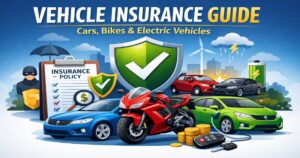
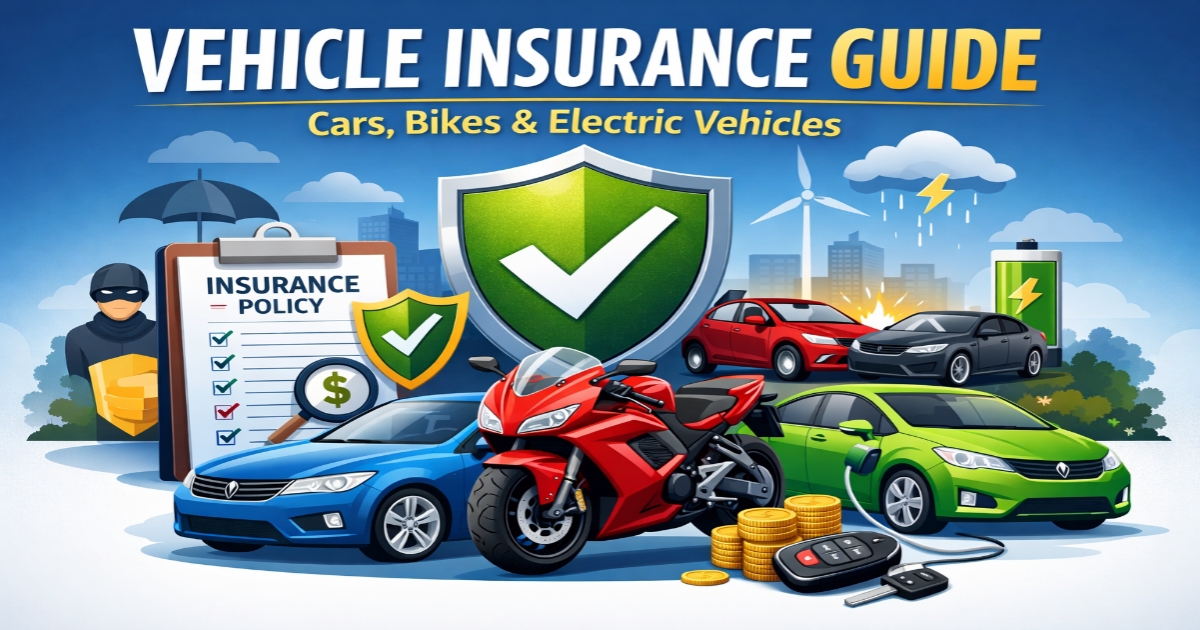
Vehicle insurance is a legal and financial agreement between a vehicle owner and an insurance provider that helps reduce financial losses caused by accidents, theft, natural disasters, or third-party liabilities. It is mandatory in most countries and acts as a safety net against unexpected expenses.
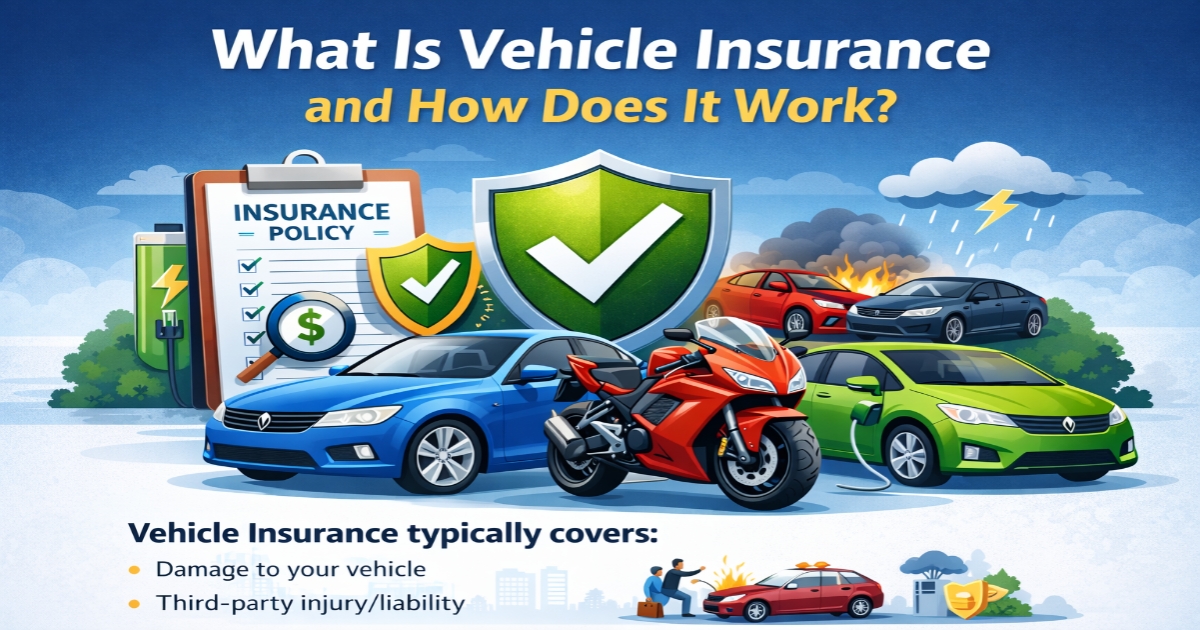
Vehicle insurance applies to cars, bikes, and electric vehicles, each with different risk profiles and coverage needs. Instead of paying large repair or legal costs out of pocket, the insurer absorbs most of the financial burden.
Table of Contents
Vehicle insurance typically covers:
- Accidental damage to your vehicle
- Injury or property damage to third parties
- Theft, fire, and vandalism
- Natural disasters such as floods or earthquakes
Having the right vehicle insurance ensures legal compliance, financial protection, and peace of mind.
What Are the Main Types of Vehicle Insurance?
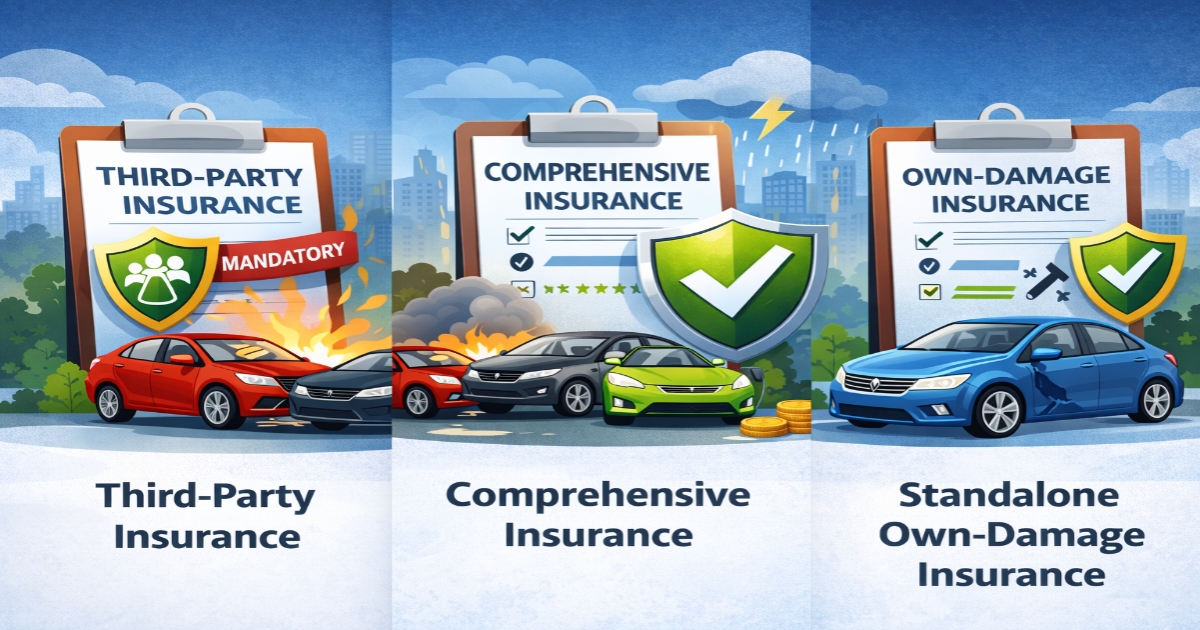
Vehicle insurance policies are structured into different types based on the level of coverage they provide. Understanding these options helps vehicle owners choose the most suitable policy without overpaying or underinsuring their vehicles. Each type serves a specific purpose and fits different budgets and vehicle conditions.
The main types of vehicle insurance include:
- Third-party insurance – Covers injury, death, or property damage caused to others and is legally mandatory
- Comprehensive insurance – Includes third-party coverage plus protection for your own vehicle against accidents, theft, fire, and natural calamities
- Standalone own-damage insurance – Covers damage to your vehicle when third-party insurance is purchased separately
Selecting the correct type depends on vehicle age, usage frequency, and overall risk exposure.
How Does Car Insurance Work?
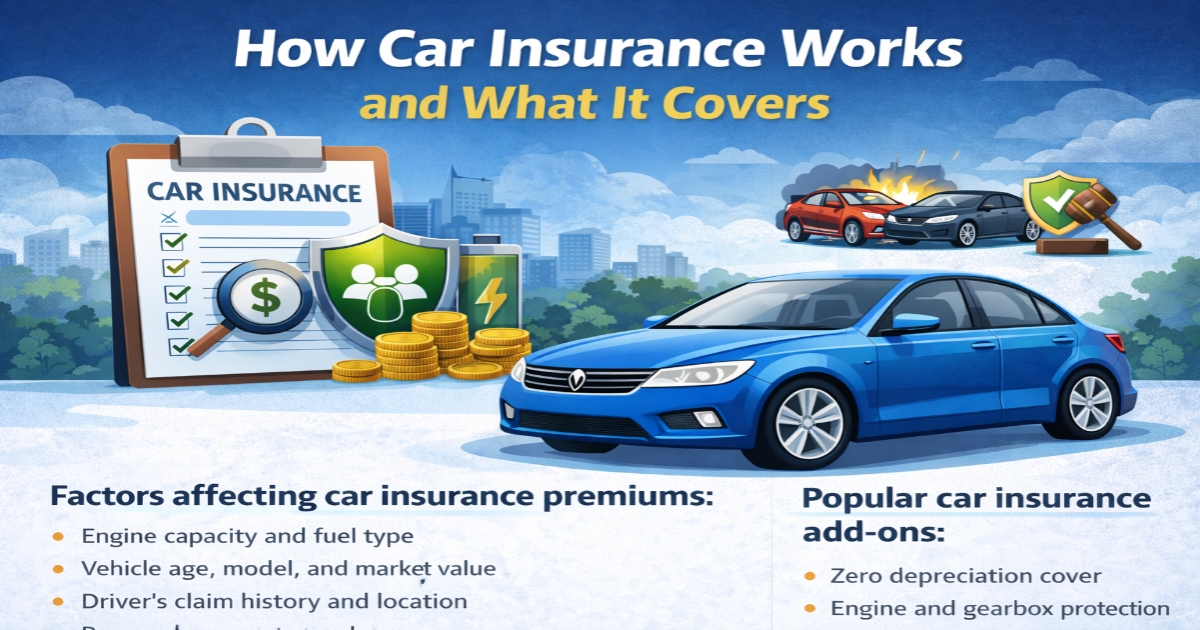
Car insurance works by compensating the insured for repair costs, replacement expenses, or legal liabilities resulting from covered incidents. When a claim is filed, the insurer evaluates the damage and pays according to policy terms. Car insurance premiums vary based on multiple risk-related factors that determine the likelihood and cost of claims.
Factors affecting car insurance premiums include:
- Engine capacity and fuel type
- Vehicle age, model, and market value
- Driver’s claim history and location
- Personal or commercial vehicle usage
Popular car insurance add-ons:
- Zero depreciation cover
- Engine and gearbox protection
- Roadside assistance
A well-structured car insurance policy minimizes financial stress and protects long-term vehicle value.
Why Is Bike Insurance Important?
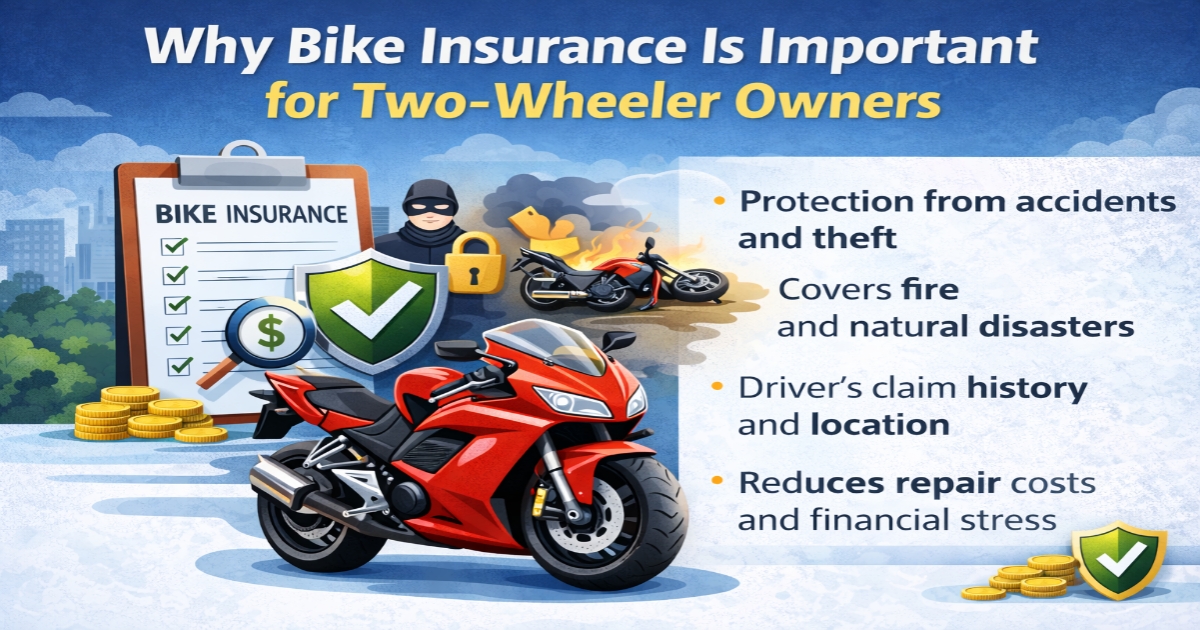
Bike insurance is essential because two-wheelers are more exposed to accidents, road hazards, and theft compared to cars. While third-party bike insurance fulfills legal requirements, it does not protect the rider’s own bike from damage. Comprehensive bike insurance offers broader coverage and financial security.
Key benefits of bike insurance include:
- Coverage for accidental damage and theft
- Financial protection against repair expenses
- Compliance with traffic laws and regulations
Useful bike insurance add-ons:
- Personal accident cover for riders
- Zero depreciation for new bikes
- Roadside assistance during breakdowns
For daily commuters and frequent riders, bike insurance reduces financial risk and ensures safer riding experiences.
What Makes Electric Vehicle Insurance Different?
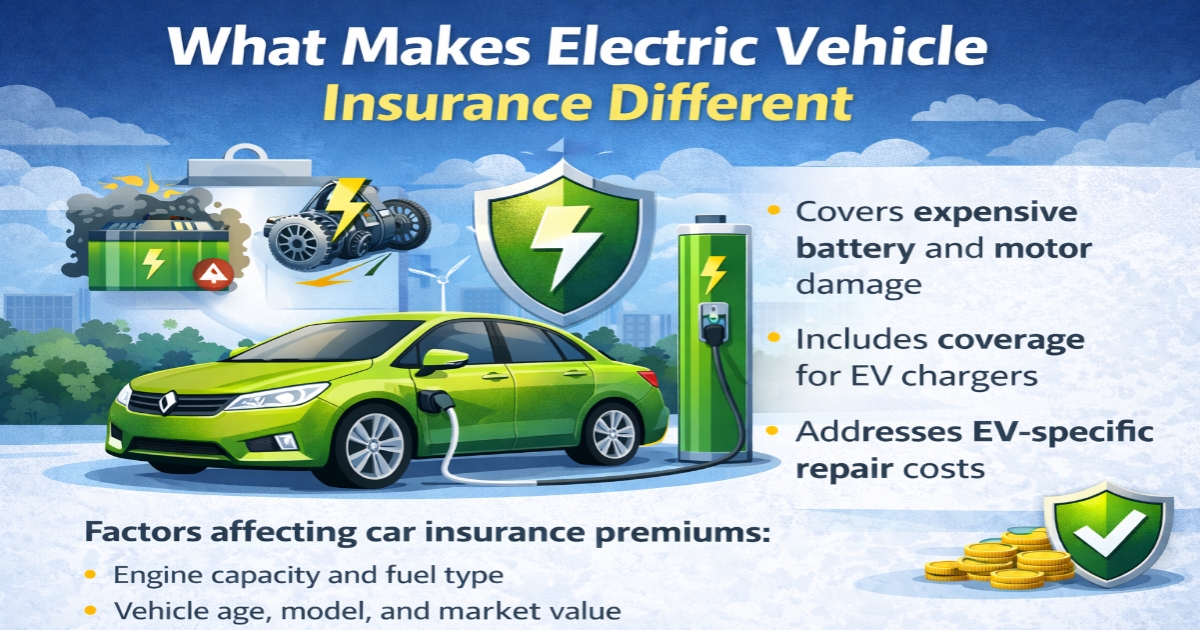
Electric vehicle insurance is different from conventional vehicle insurance due to high-value components and advanced technology. EV batteries and electric motors are expensive, making specialized coverage essential. Traditional insurance policies may not fully address EV-specific risks, which is why tailored EV insurance is gaining importance.
Electric vehicle insurance usually covers:
- Battery pack and motor damage
- Electrical system failures
- Charging equipment and accessories
Why EV insurance is important:
- Battery replacement costs are very high
- Limited repair facilities increase claim expenses
- Specialized parts require expert handling
Choosing the right EV insurance policy ensures long-term savings and protects your sustainable mobility investment.
How to Choose the Best Vehicle Insurance Policy
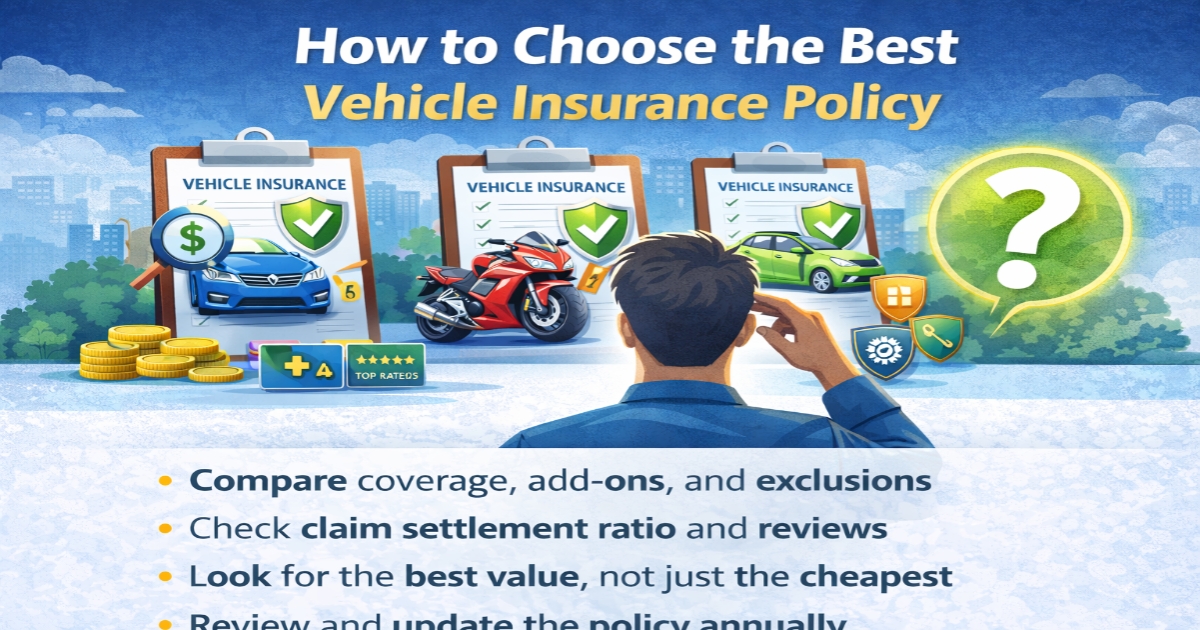
Choosing the best vehicle insurance policy requires evaluating coverage quality rather than focusing only on premium cost. A cheap policy may lack essential protection, leading to higher expenses during claims. Vehicle owners should match insurance coverage with driving habits, vehicle age, and financial capacity.
Important factors to consider include:
- Insured Declared Value (IDV) accuracy
- Policy inclusions and exclusions
- Claim settlement ratio of the insurer
- Add-ons based on risk and location
Reviewing your vehicle insurance annually helps maintain optimal coverage, avoid gaps, and ensure continued financial protection.
Final Verdict: Why Choosing the Right Vehicle Insurance Matters
Vehicle insurance plays a vital role in protecting car, bike, and electric vehicle owners from financial loss and legal complications. The right vehicle insurance policy covers accidents, theft, natural disasters, and third-party liabilities, helping owners manage unexpected expenses with confidence.
Whether it is car insurance for daily commuting, bike insurance for frequent riders, or electric vehicle insurance for advanced technology, proper coverage ensures long-term financial security.
By understanding policy types, coverage options, and add-ons, vehicle owners can avoid underinsurance and overpaying. Regularly reviewing your vehicle insurance policy helps maintain adequate protection, maximize benefits, and stay compliant with legal requirements in an ever-evolving automotive landscape.
Frequently Asked Questions (FAQ)
Q.1: What Is Vehicle Insurance?
Vehicle insurance is a legal and financial agreement between a vehicle owner and an insurance provider that helps reduce financial losses caused by accidents, theft, natural disasters, or third-party liabilities. It is mandatory in most countries and acts as a safety net against unexpected expenses. Vehicle insurance applies to cars, bikes, and electric vehicles, each with different risk profiles and coverage needs. Instead of paying large repair or legal costs out of pocket, the insurer absorbs most of the financial burden.
Q.2: What Are the Main Types of Vehicle Insurance?
Vehicle insurance policies are structured into different types based on the level of coverage they provide. Understanding these options helps vehicle owners choose the most suitable policy without overpaying or underinsuring their vehicles. Each type serves a specific purpose and fits different budgets and vehicle conditions.The main types of vehicle insurance include:
Third–party insurance, Comprehensive insurance & Standalone own-damage insurance.
Q.3: How Does Car Insurance Work?
Car insurance works by compensating the insured for repair costs, replacement expenses, or legal liabilities resulting from covered incidents. When a claim is filed, the insurer evaluates the damage and pays according to policy terms. Car insurance premiums vary based on multiple risk-related factors that determine the likelihood and cost of claims.
Q.4: Why Is Bike Insurance Important?
Bike insurance is essential because two-wheelers are more exposed to accidents, road hazards, and theft compared to cars. While third-party bike insurance fulfills legal requirements, it does not protect the rider’s own bike from damage. Comprehensive bike insurance offers broader coverage and financial security.
Q.5: What Makes Electric Vehicle Insurance Different?
Electric vehicle insurance is different from conventional vehicle insurance due to high-value components and advanced technology. EV batteries and electric motors are expensive, making specialized coverage essential. Traditional insurance policies may not fully address EV-specific risks, which is why tailored EV insurance is gaining importance.
Q.6: How to Choose the Best Vehicle Insurance Policy?
Choosing the best vehicle insurance policy requires evaluating coverage quality rather than focusing only on premium cost. A cheap policy may lack essential protection, leading to higher expenses during claims. Vehicle owners should match insurance coverage with driving habits, vehicle age, and financial capacity.