
In 2026, cars are smarter, more connected, and more efficient than ever before, but they are also more dependent on proper care and regular maintenance.
Many modern vehicles now rely on advanced sensors, electronic control units, and precision-engineered components that require consistent attention to perform at their best. Ignoring basic maintenance does not just reduce performance, it gradually shortens the life of the entire vehicle.
Table of Contents
By developing a disciplined approach to car care, drivers can avoid unexpected breakdowns, reduce long-term costs, and enjoy a smoother, safer driving experience for many years.
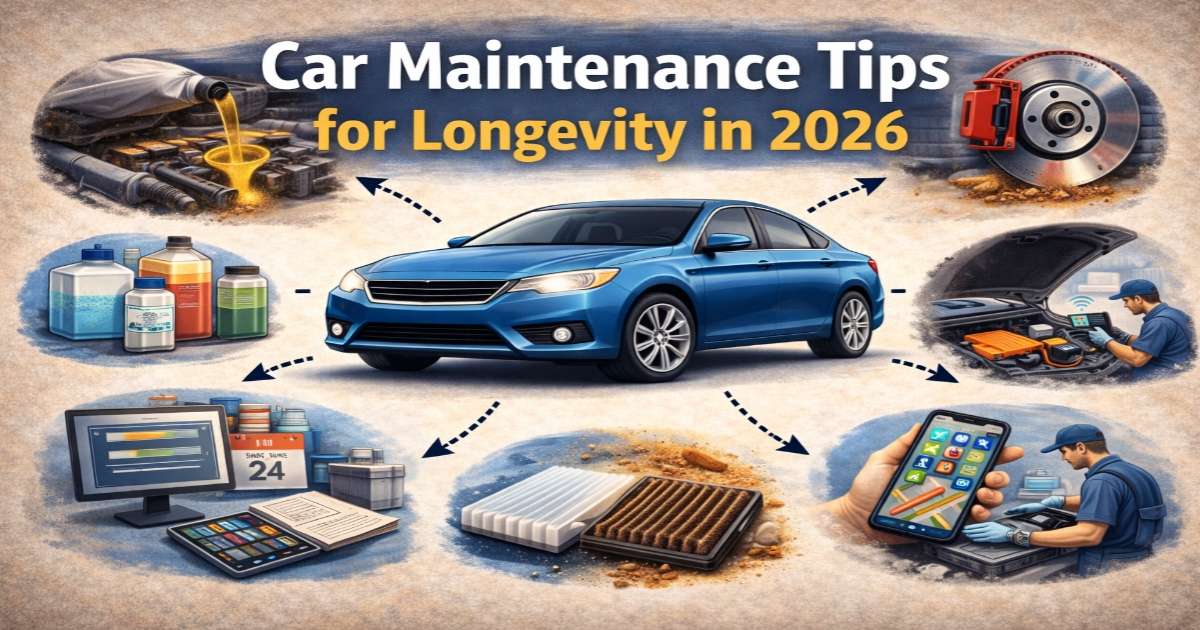
The following top 7 car maintenance tips for longevity in 2026 are explained in depth, focusing on practical habits that genuinely make a difference.
1. Prioritize Engine Oil Changes and Complete Fluid Health
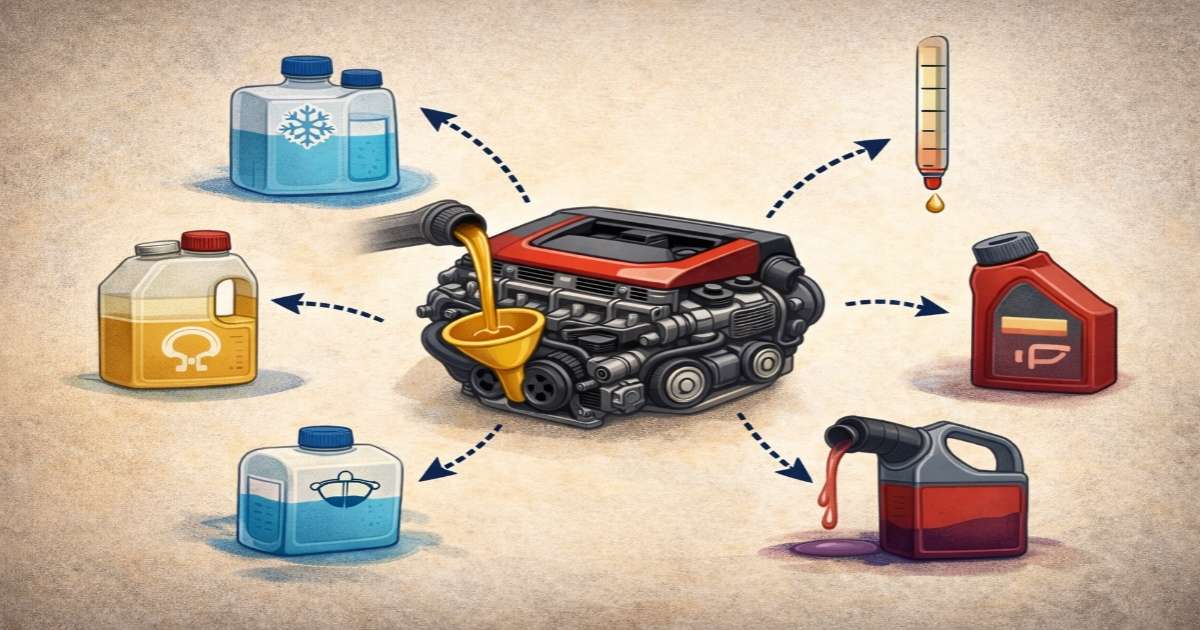
Engine oil is still the single most important maintenance element, regardless of how advanced vehicles become. In 2026, engines operate at higher efficiencies and tighter tolerances, which means clean oil is absolutely essential for lubrication, cooling, and protection. Old or contaminated oil increases friction inside the engine, causing excessive heat and gradual internal damage that may not be noticeable until serious problems occur.
Beyond oil, your vehicle depends on a network of fluids that work together to keep systems running smoothly. Coolant regulates engine temperature, transmission fluid ensures seamless gear changes, brake fluid provides reliable stopping power, and power steering fluid allows effortless handling. Even a small drop in fluid quality or level can compromise system performance over time.
- Change engine oil strictly according to the manufacturer’s schedule, even if the car feels fine
- Inspect all fluids regularly for discoloration, unusual smells, or low levels
- Address leaks immediately to prevent cascading mechanical failures
- Consistent fluid maintenance protects critical components, improves efficiency, and dramatically extends engine life.
2. Tire Care Directly Influences the Entire Vehicle
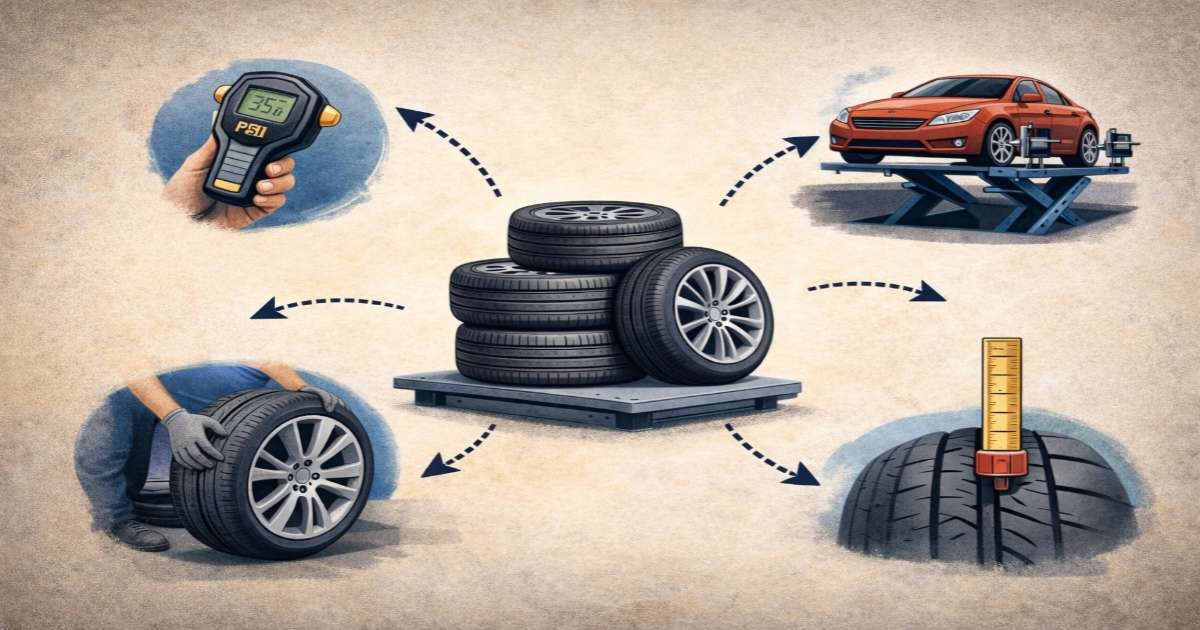
Tires are often underestimated, yet they play a foundational role in how a car performs and ages. In 2026, while many vehicles include intelligent tire pressure monitoring systems, these features do not replace regular physical inspections. Incorrect tire pressure or uneven wear increases rolling resistance, forcing the engine and suspension to work harder than necessary.
Poor tire maintenance also affects alignment and steering geometry, which can lead to premature wear of suspension parts and reduced driving stability. Over time, these issues compound, resulting in higher repair costs and reduced vehicle longevity.
- Check tire pressure frequently, especially during seasonal temperature changes
- Rotate tires on schedule to ensure balanced wear across all four wheels
- Inspect tread depth and sidewalls for early signs of damage or misalignment
- Well-maintained tires improve fuel efficiency, protect suspension components, and contribute to a longer-lasting vehicle.
3. Brake Maintenance Is a Long-Term Investment in Safety
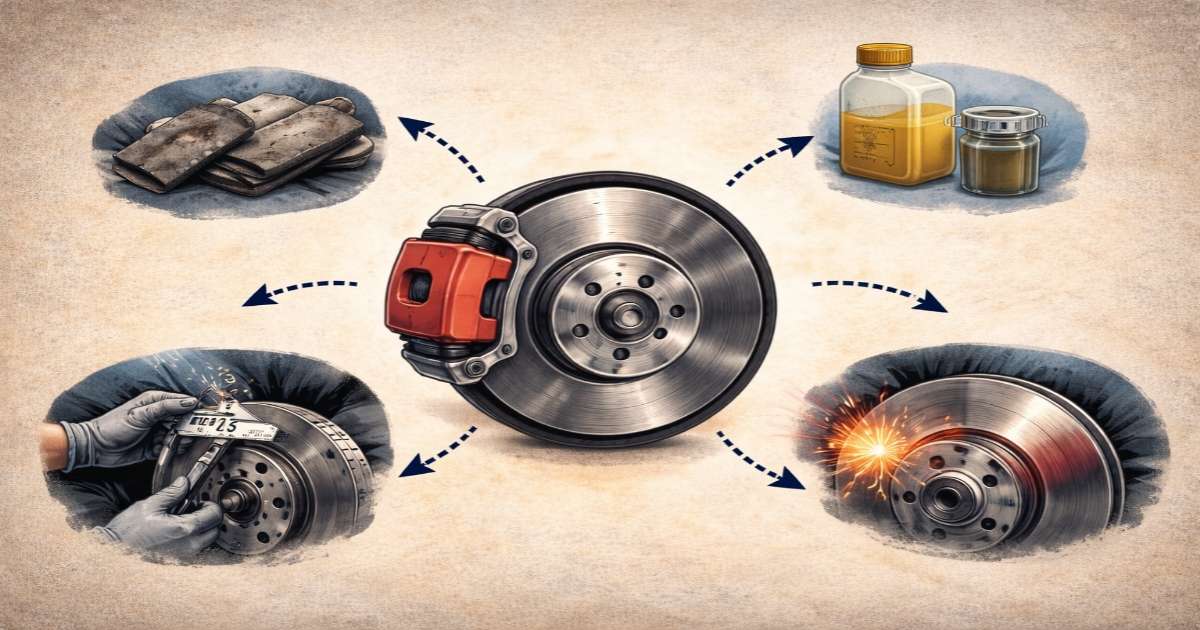
The braking system experiences constant stress during everyday driving, especially in urban environments. In 2026, many vehicles combine traditional braking systems with electronic assistance or regenerative braking, but the physical components still wear down over time. Brake pads gradually thin out, rotors can warp, and brake fluid absorbs moisture, reducing effectiveness.
Neglecting brake maintenance does not just compromise safety, it increases wear on other components and can result in expensive repairs if damage spreads to calipers or brake lines.
- Pay attention to changes in braking feel, sound, or response time
- Replace brake pads early to protect rotors and maintain smooth braking
- Change brake fluid at recommended intervals to ensure consistent pressure
- A healthy braking system ensures safer driving and prevents unnecessary strain on related mechanical parts.
4. Air Filter Maintenance Supports Engine Longevity

Air filters are small components with a surprisingly large impact on vehicle health. The engine air filter prevents dust and debris from entering the combustion chamber, while the cabin air filter protects interior air quality and HVAC performance. In 2026, engines rely on precise air-to-fuel ratios, making clean airflow more important than ever.
Clogged air filters restrict airflow, forcing the engine to compensate by working harder, which reduces fuel efficiency and accelerates internal wear. Over time, this stress shortens engine life and increases emissions.
- Replace engine air filters at recommended intervals or sooner in dusty conditions
- Inspect cabin air filters to maintain airflow and passenger comfort
- Include air filter checks during routine servicing
- Clean filters help engines breathe efficiently, improving performance, mileage, and durability.
5. Battery and Electronics Require Ongoing Attention
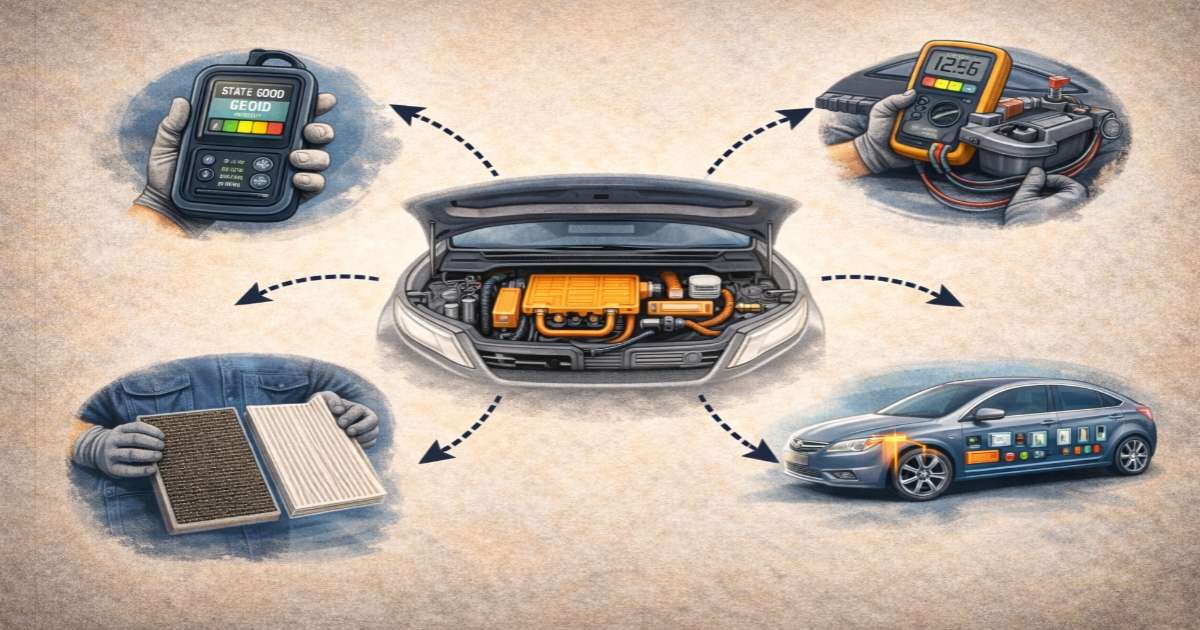
Modern vehicles in 2026 are heavily dependent on electronic systems, from infotainment displays to advanced safety features. A weak or failing battery can disrupt multiple systems at once, causing warning lights, unreliable starts, and erratic behavior. Electrical problems often appear gradually, making preventive care essential.
Battery life is affected by temperature extremes, short trips, and increased electronic loads. Ignoring early warning signs can result in sudden failure and inconvenient breakdowns.
- Inspect battery terminals for corrosion and ensure tight connections
- Test battery health periodically, especially before extreme weather
- Replace aging batteries proactively to avoid system disruptions
- A reliable battery supports consistent vehicle performance and protects sensitive electronics.
6. Follow Manufacturer Maintenance Schedules Exactly
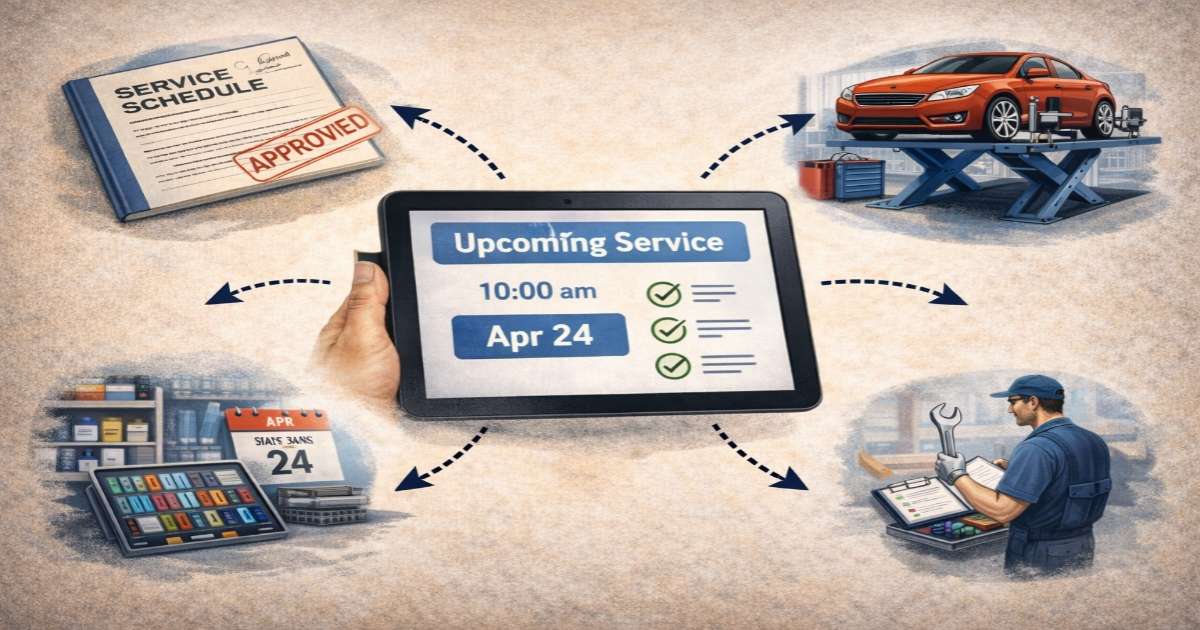
Every vehicle is designed with a specific maintenance roadmap based on engineering data and long-term testing. These schedules are not suggestions—they are critical guidelines that help ensure optimal performance and durability. In 2026, service schedules may also include software updates that improve efficiency and system coordination.
Skipping or delaying scheduled maintenance often leads to hidden damage that becomes costly over time. Small issues that could have been resolved easily may evolve into major mechanical failures.
- Follow mileage- and time-based service intervals without delay
- Keep detailed service records for warranty and resale value
- Address minor issues promptly before they escalate
- Adhering to the manufacturer’s schedule preserves reliability and maximizes vehicle lifespan.
7. Daily Driving Habits Shape Long-Term Vehicle Health

How you drive every day has a profound effect on how long your car lasts. Aggressive acceleration, harsh braking, and constant high-speed driving place unnecessary stress on the engine, transmission, brakes, and suspension. Over time, these habits significantly shorten component life.
In addition to driving style, daily care such as parking habits and cleanliness also matters. Exposure to harsh sunlight, road salt, and debris accelerates cosmetic and structural wear.
- Drive smoothly and avoid unnecessary strain on mechanical systems
- Reduce excessive idling to limit engine wear and fuel waste
- Park in shaded or covered areas whenever possible
- Smart driving habits reduce wear, lower maintenance costs, and preserve vehicle condition.
Final Verdict
Car maintenance in 2026 is about consistency, awareness, and respect for modern automotive engineering.
By following these top 7 car maintenance tips for longevity, you can extend your vehicle’s life, maintain peak performance, and avoid costly repairs. Long-term car ownership is far more affordable and enjoyable when preventive care becomes a routine habit. A well-maintained car is not just reliable, it reflects smart ownership and forward-thinking care.
How often should I service my car in 2026?
In 2026, most modern vehicles should be serviced every 6 to 12 months or 5,000 to 10,000 miles, depending on the manufacturer’s recommendations. Cars with advanced engines, hybrids, or connected systems may also require software updates and electronic diagnostics, making regular service even more important for long-term reliability.
What is the most important car maintenance task for longevity?
Engine oil changes remain the most critical maintenance task for vehicle longevity. Clean oil reduces friction, prevents overheating, and protects internal engine components. Ignoring oil changes can cause irreversible engine damage, even in newer vehicles designed with advanced technology.
Do modern cars still need regular tire maintenance?
Yes, tire maintenance is essential even in modern cars equipped with tire pressure monitoring systems. Proper tire pressure, regular rotation, and alignment improve fuel efficiency, enhance safety, and reduce stress on suspension and steering components, helping your car last longer.
How can brake maintenance extend the life of my car?
Timely brake maintenance prevents excessive wear on rotors, calipers, and suspension parts. Replacing brake pads early and changing brake fluid at recommended intervals ensures safer driving and avoids costly repairs caused by neglected braking systems.
Does following the manufacturer’s service schedule really matter?
Absolutely. Manufacturer service schedules are based on extensive testing and engineering data. Following them helps maintain performance, protect warranties, and prevent minor issues from turning into major, expensive repairs over time.